


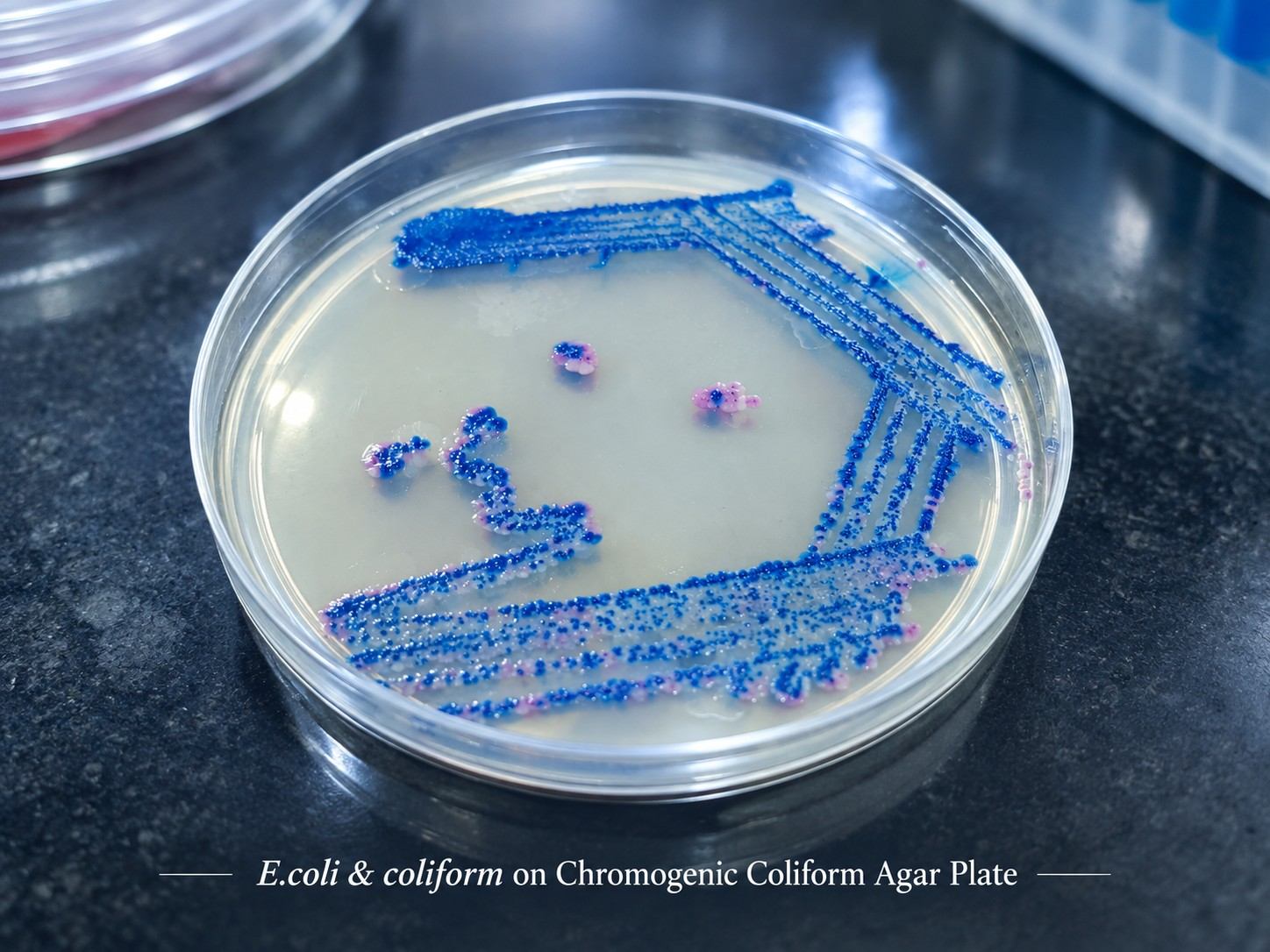
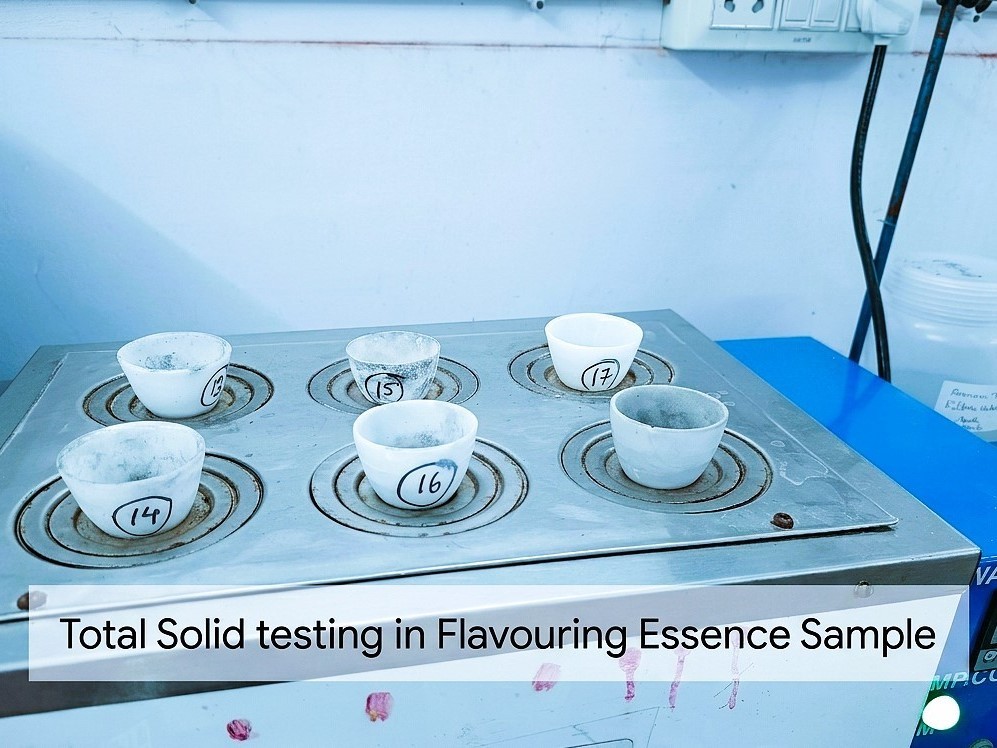
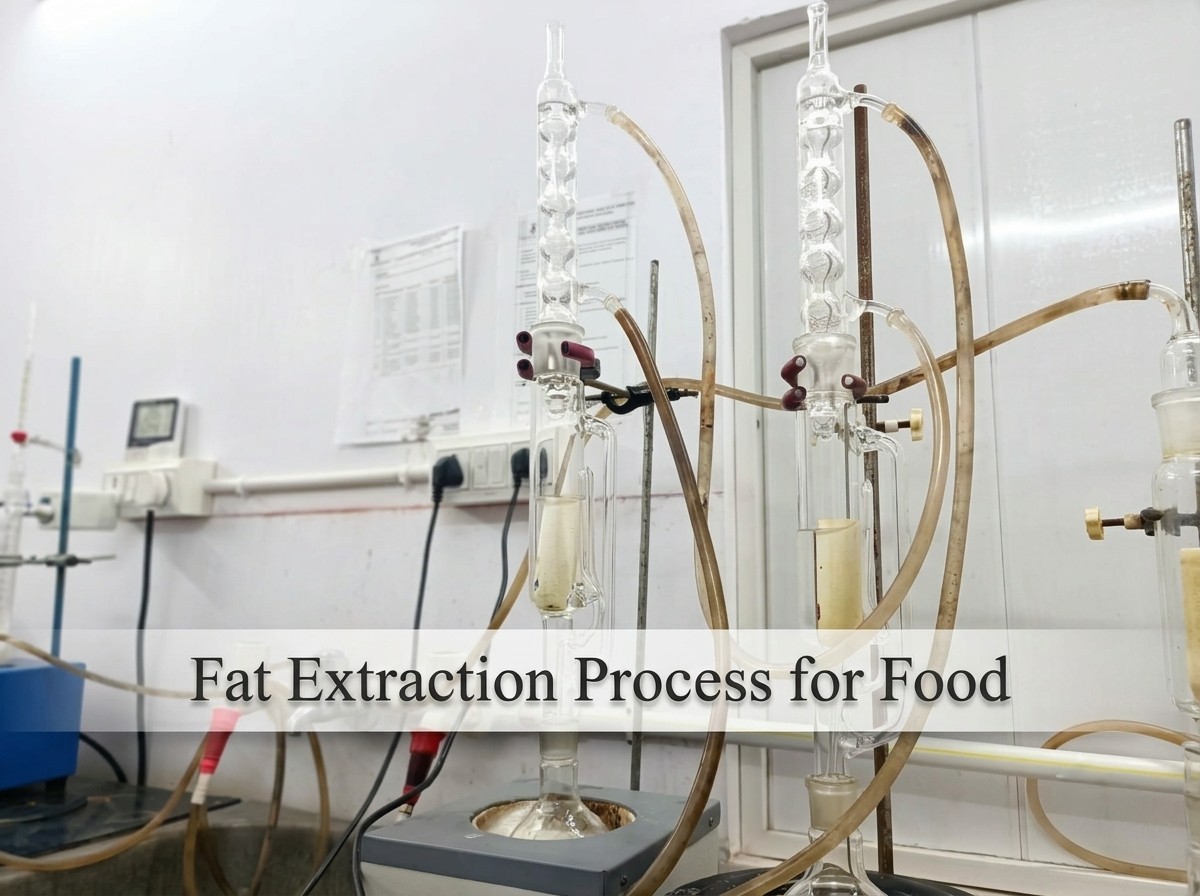
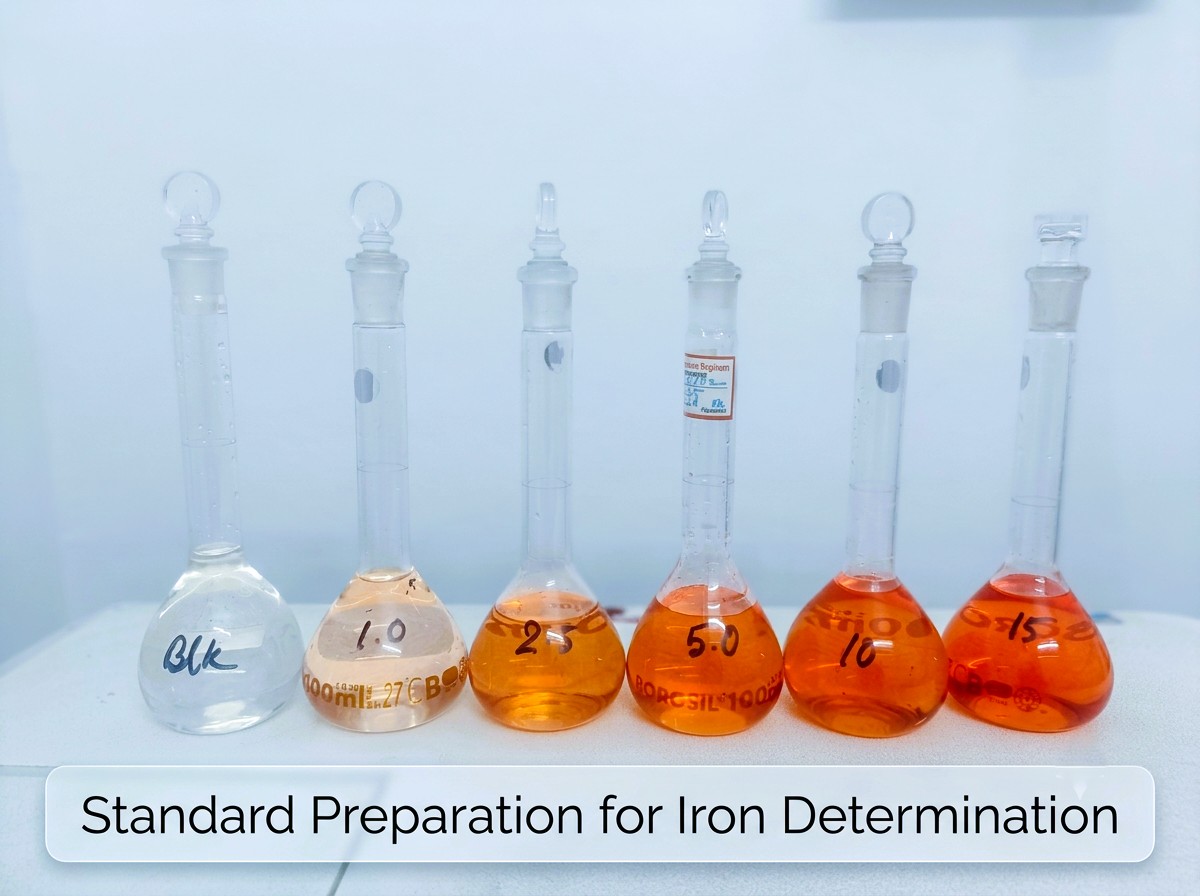
What if the best way to understand chemical analysis is to stop reading about it and start doing it? Textbooks can explain reactions, parameters, and testing methods, but a real laboratory shows you how everything works in practice. From handling samples and operating instruments to testing chemical parameters, performing calculations, and documenting results, practical exposure makes the learning far more meaningful. For students of Chemistry, Biotechnology, Biochemistry, Food Technology, Environmental Science, and related fields, gaining hands-on laboratory experience can make academic concepts much easier to understand. A Chemical Analysis Internship in Kolkata offers an opportunity to experience professional testing procedures, work with laboratory instruments, and develop practical skills. But what exactly do these internships teach, which programmes are available, and how can they support your career? Let’s take a closer look.
What Is a Chemical Analysis Internship?
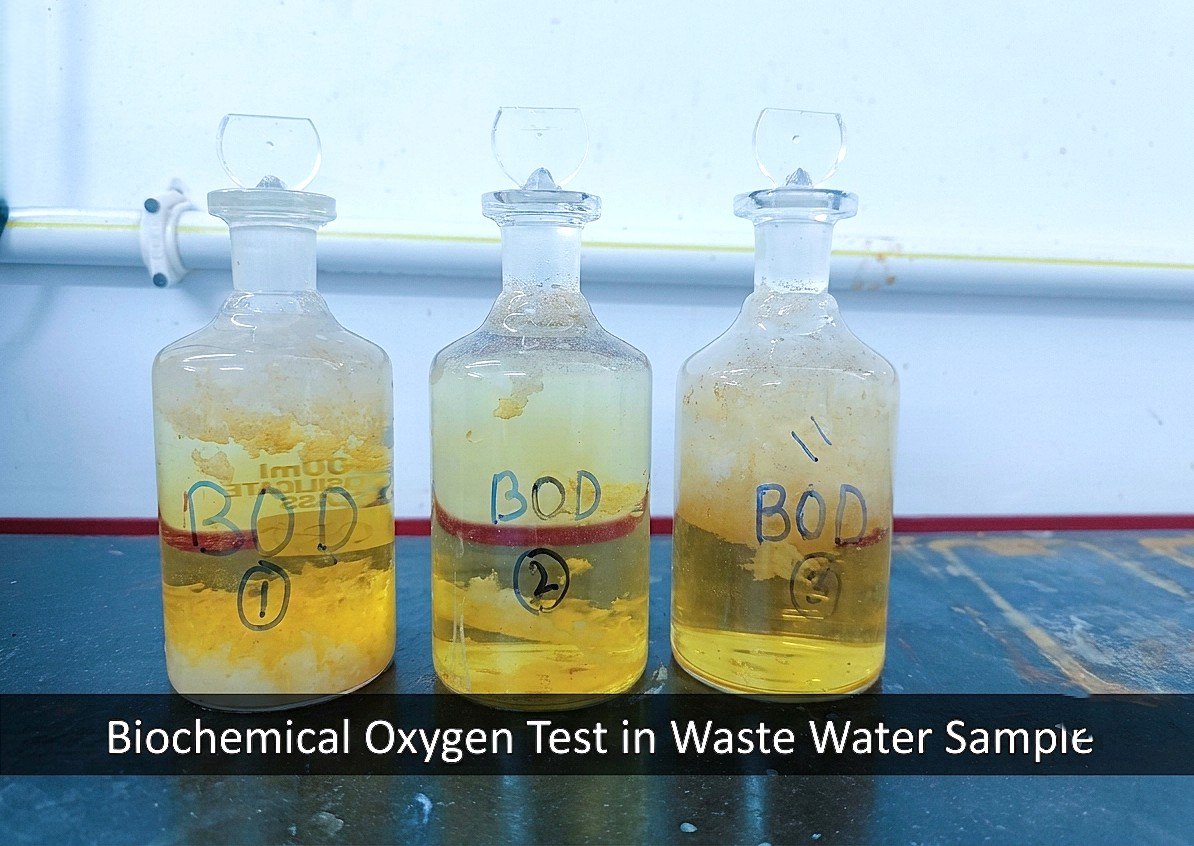
A chemical analysis internship is practical laboratory training where students learn how different samples are examined for their chemical properties and components. The exact training depends on the programme. Some courses focus on basic water analysis, while advanced programmes may cover wastewater, metals, BOD, COD, DO, TKN, phosphate, silica, and other parameters. Students can gain a practical understanding of the complete laboratory workflow, from sample preparation and chemical testing to calculations, documentation, quality checks, and result reporting. A Chemical Analysis Internship in Kolkata can make this process easier to understand through hands-on laboratory exposure. The objective is not simply to memorise testing parameters. It is to understand how analytical laboratory work is actually performed and why accuracy matters at every stage.
Why Should Students Consider Chemical Analysis Training?
One of the biggest challenges students face after completing their academic studies is the gap between theory and practical work. You may understand what hardness means or know the theory behind pH, COD, BOD, or other chemical parameters, but performing the actual laboratory procedure requires a different kind of understanding. Practical training helps students connect these concepts with real laboratory work. It can introduce them to sample handling, testing procedures, equipment, calculations, documentation, and laboratory safety. Students may develop practical exposure to:
- Sample handling and preparation
- Chemical testing procedures
- Laboratory equipment
- Measurements and calculations
- Result recording
- Standard Operating Procedures
- Laboratory safety
- Documentation and reporting
- Quality-control practices
These skills can be useful when students move towards laboratory jobs, research projects, or higher studies.
What Do Students Learn During Chemical Analysis Training?
The learning depends on the level and focus of the programme. Basic programmes generally introduce students to common chemical parameters, while advanced programmes provide exposure to more complex water and wastewater analysis.
- Basic Chemical Water Analysis
For students who are new to analytical laboratory work, basic water analysis can provide a useful starting point. Training may introduce parameters such as pH, TDS, turbidity, colour, alkalinity, hardness, chloride, and sulphate. The important part is understanding how these parameters are tested and how laboratory observations are converted into meaningful results. Students can also learn why correct sample preparation, measurement, and documentation are important for reliable analysis.
- Advanced Water and Wastewater Analysis
Students looking for broader practical exposure can explore advanced areas related to surface water, pool water, and wastewater. Depending on the programme, training may cover parameters such as COD, DO, TSS, BOD, oil and grease, metals, TKN, phosphate, and silica. This type of training can help students understand how chemical analysis is applied to different types of samples and why different testing parameters are selected for different purposes.
Chemical Analysis Internship Courses at Pro Research
Pro Research & Testing Laboratory offers different certificate programmes focused on chemical analysis of water.
| Programme | Duration | Fees | Key Learning Areas |
| Certificate in Chemical Analysis (Water) | 2 Months | ₹25,000 | pH, TDS, turbidity, colour, alkalinity, hardness, chloride and sulphate |
| Advanced Certificate in Chemical Analysis (Water) | 3 Months | ₹34,000 | Pool & surface water, wastewater, COD, DO, TSS, oil & grease |
| Professional Certificate in Chemical Analysis (Water) | 6 Months | ₹49,000 | Water analysis, metals, BOD, TKN, phosphate, silica and SOPs |
Fees, duration, curriculum, and programme availability may change. Students should confirm the latest details directly with Pro Research before enrolment.
Understand the Complete Laboratory Workflow
A Chemical Analysis Internship in Kolkata should ideally teach students more than individual testing procedures. Professional laboratory work follows a systematic process in which every stage contributes to the final result. A simplified workflow can be understood as:
Sample Receipt → Identification → Preparation → Testing → Observation → Calculation → Quality Check → Documentation → Reporting
Students learn that every step of laboratory testing contributes to the final result. A mistake during sample preparation, observation, measurement, or calculation can lead to an incorrect report. This teaches an essential lesson in laboratory work: reliable results depend on accuracy throughout the entire testing process, not just the final calculation.
Develop Practical Equipment Skills
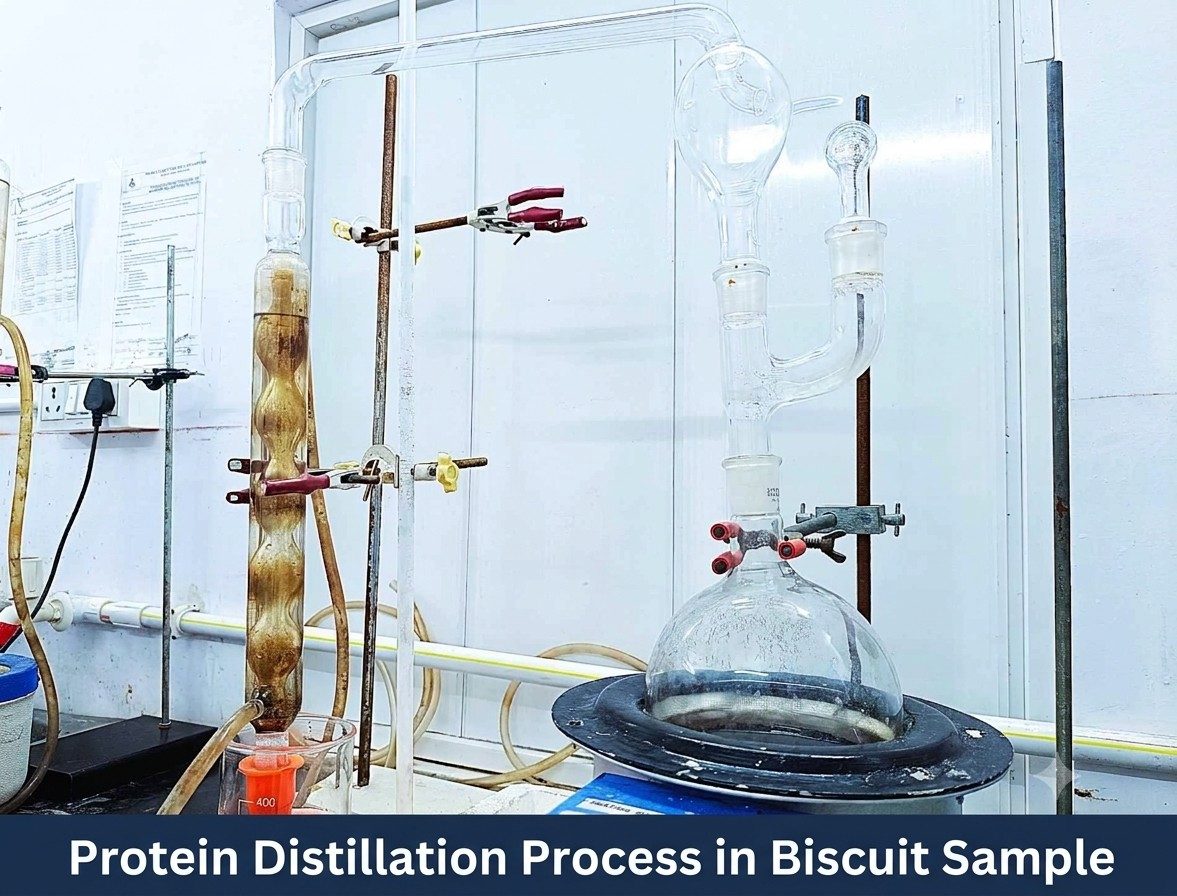
Chemical analysis involves laboratory instruments and equipment, so students should look for programmes that provide meaningful practical exposure. During training, students can learn the purpose of relevant equipment and understand how it should be handled within laboratory procedures. They can also develop good habits related to measurement, cleaning, sample preparation, recording observations, and following instructions. Being familiar with laboratory equipment can make students more comfortable when they eventually enter a professional testing environment.
Why Calculations Matter in Chemical Analysis
Chemical analysis is closely connected with measurements and calculations. A laboratory reading is not always the final result. Depending on the testing method, observations may need to be processed or calculated before they can be reported. This is why attention to detail is important. During a Chemical Analysis Internship in Kolkata, students can develop the habit of recording readings carefully, applying the appropriate calculation, checking their work, and making sure the final result is properly documented. These may seem like small details, but they are essential habits for anyone planning to work in an analytical laboratory.
Laboratory Safety and SOPs
Safety is another important part of chemical analysis training. Students may work with chemicals, reagents, samples, glassware, and laboratory equipment, so proper procedures need to be followed throughout the testing process. Training can introduce students to personal protective equipment, safe chemical handling, clean working practices, waste disposal, equipment safety, and Standard Operating Procedures. Learning these practices during an internship can help students develop responsible laboratory habits before they enter a professional workplace.
Documentation and Quality Practices
Professional laboratory testing does not end when an instrument provides a reading. The work also needs to be documented properly. Students can learn how sample information, observations, calculations, testing details, and results are recorded. Proper documentation helps maintain traceability and makes it easier to understand how a particular result was generated.
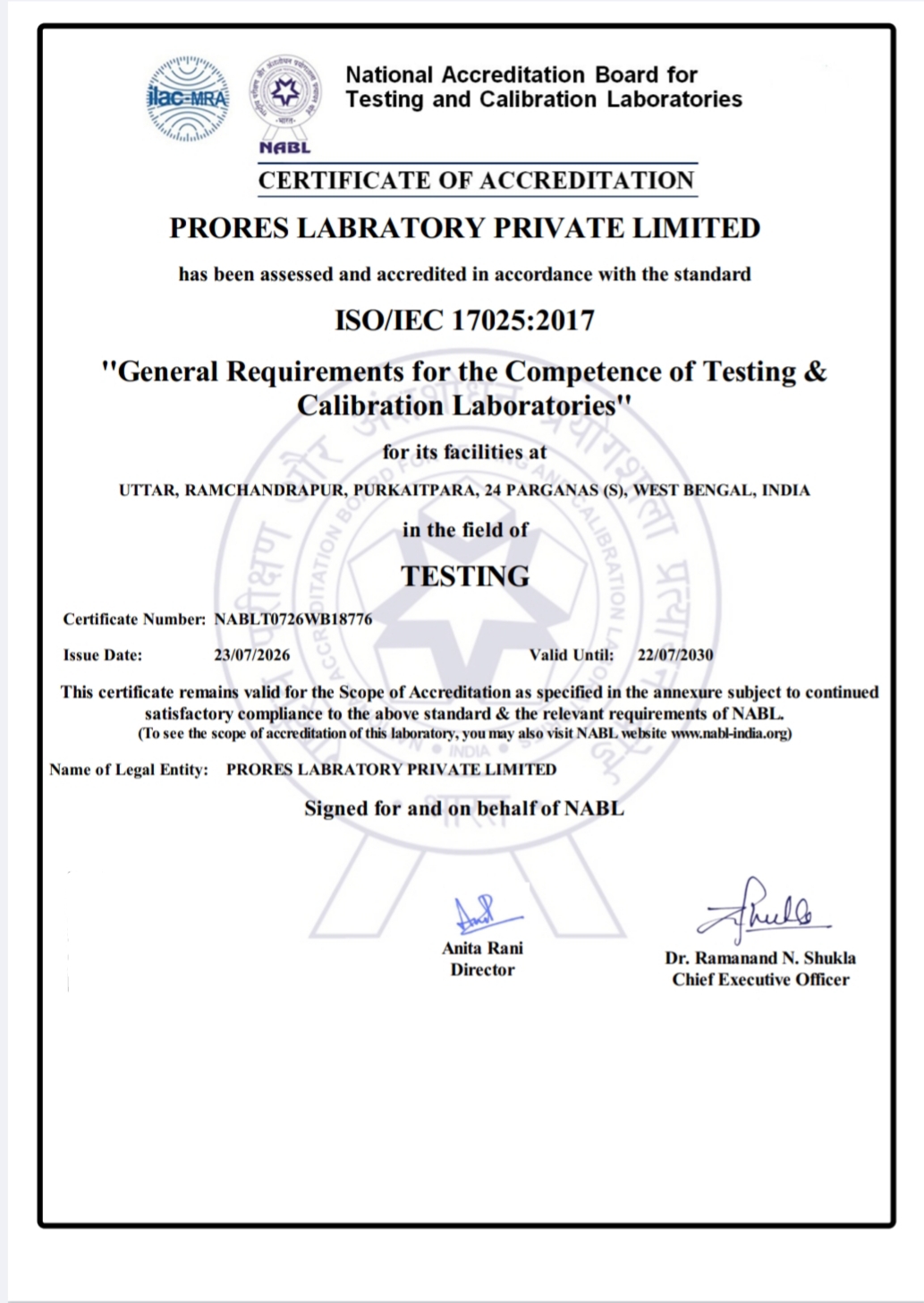
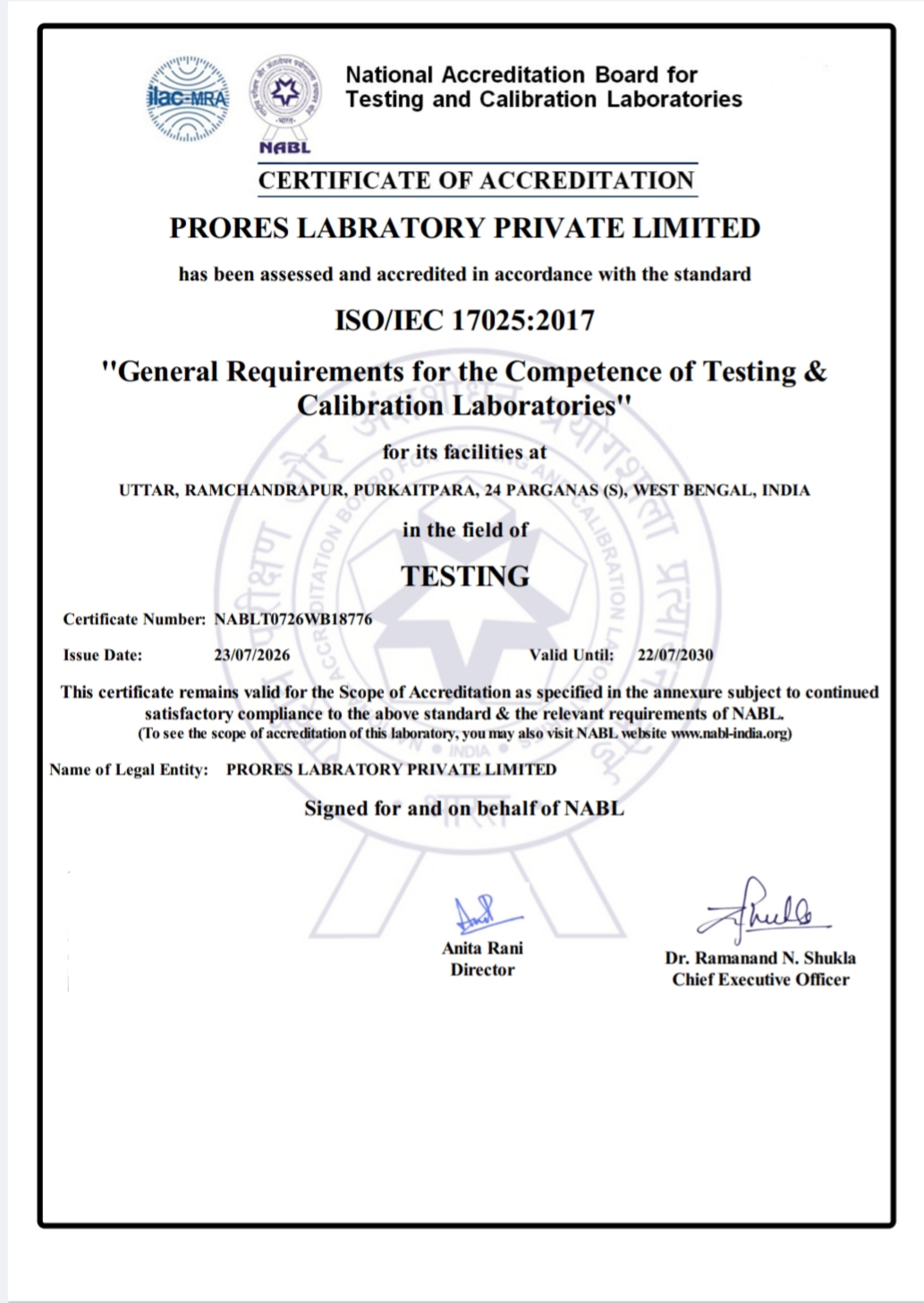
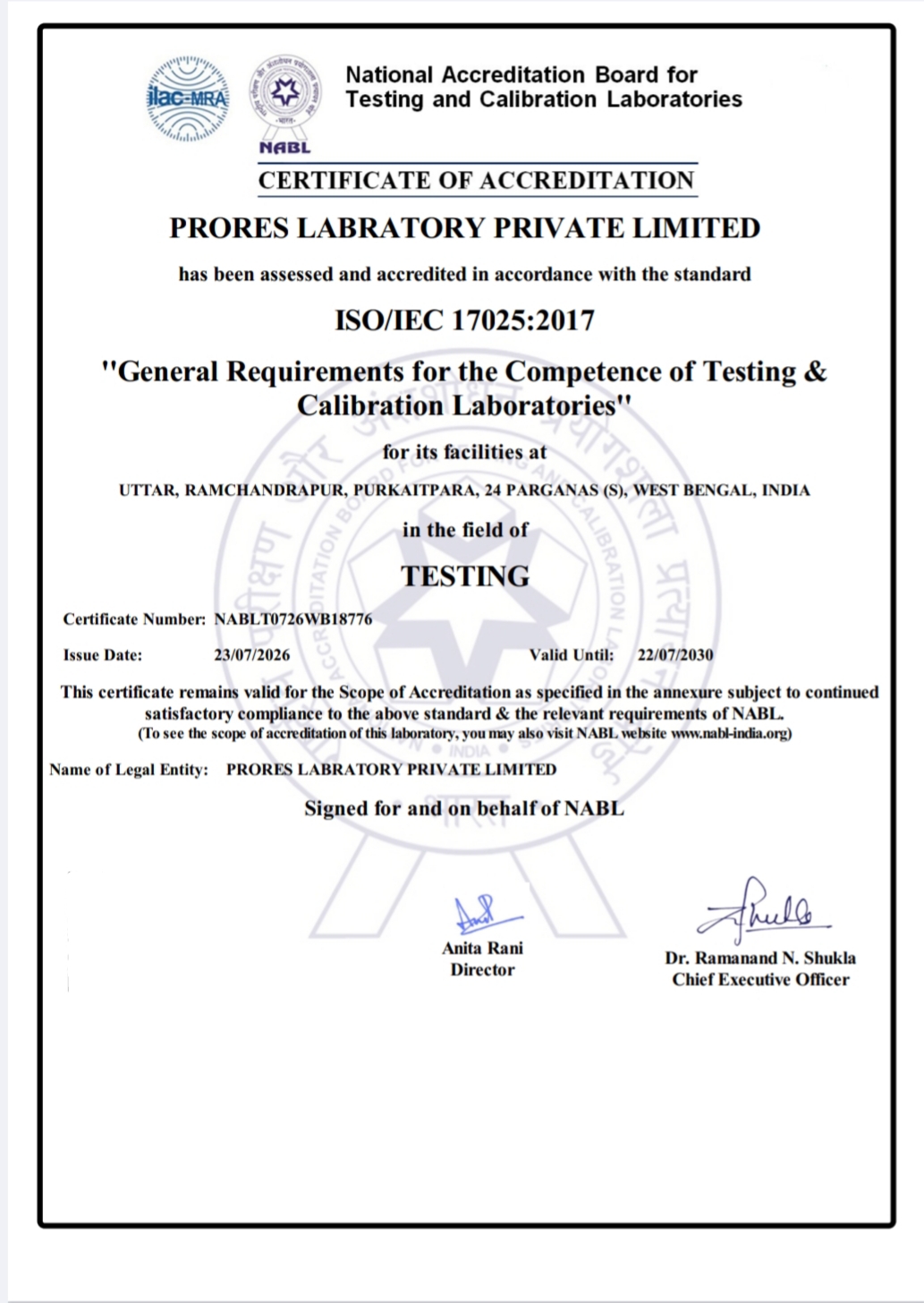
Pro Research & Testing Laboratory states that its laboratory follows ISO/IEC 17025:2017-related practices and quality systems involving areas such as controlled documentation, internal audits, proficiency testing, and inter-laboratory comparison. For students, exposure to such practices can provide a better understanding of why quality and consistency are important in analytical testing.
Who Can Join a Chemical Analysis Internship?
A Chemical Analysis Internship in Kolkata can be relevant for students and graduates from several science-related backgrounds. The exact eligibility depends on the programme, so students should check the requirements before applying. Relevant academic backgrounds may include:
- Chemistry
- Biotechnology
- Biochemistry
- Food Technology
- Environmental Science
- Microbiology
- Life Sciences
- Related scientific disciplines
Your academic background and career interests should also influence your choice. For example, students interested in environmental testing may find water analysis particularly relevant, while students interested in microbiology may prefer a microbiological testing programme.
Career Scope After Chemical Analysis Training
Chemical analysis skills can be useful across different testing and quality-focused industries. Depending on their academic qualifications and practical experience, students may explore laboratory-related roles such as
- Chemical Laboratory Assistant,
- Laboratory Technician,
- Chemical Analyst,
- Quality Control Assistant,
- Water Testing Assistant,
- Environmental Testing Assistant, or
- Research Assistant.
Chemical analysis can also be relevant to areas such as water testing, environmental analysis, food and beverage testing, manufacturing, quality control, and analytical research laboratories. An internship does not guarantee employment, but practical exposure can help students become familiar with laboratory workflows and build skills that may be useful when applying for entry-level opportunities.
How to Choose the Right Chemical Analysis Internship
Not every internship provides the same learning experience. Before enrolling, students should look beyond the course name and certificate and understand what the programme actually includes. Check whether the programme offers:
- Practical laboratory exposure
- Relevant chemical testing methods
- Equipment training
- Sample handling and preparation
- Calculations and result recording
- Laboratory safety
- SOP-based training
- Documentation and reporting
- Quality-control practices
- Professional guidance
It is also important to consider whether the programme matches your academic background, current knowledge, available time, and long-term career plans.
Build Confidence Before Entering a Professional Laboratory
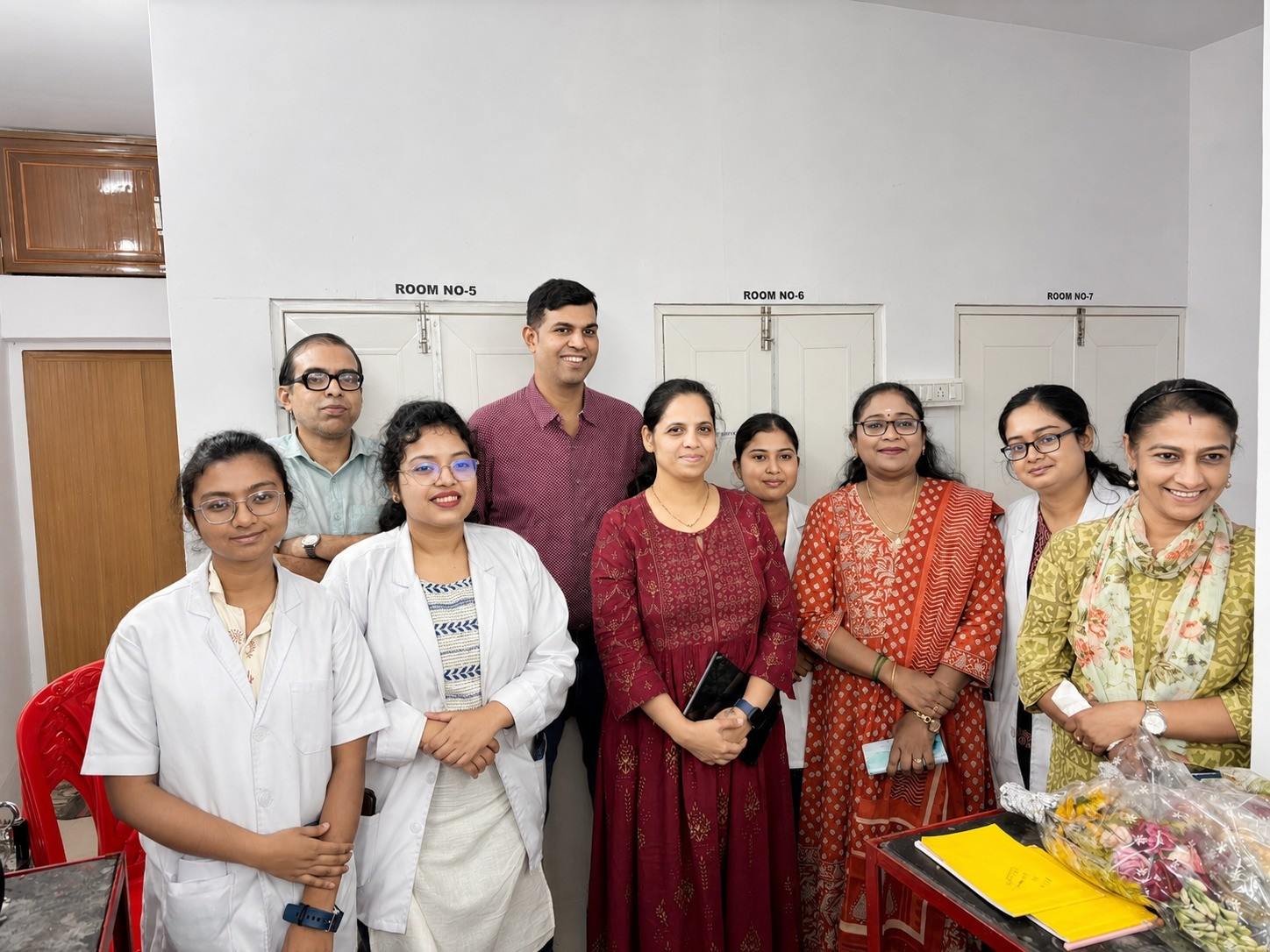
Moving from college into a professional laboratory can feel challenging if you have never worked in a real testing environment. A Chemical Analysis Internship in Kolkata can help students become familiar with the laboratory workflow before they begin applying for professional opportunities. They can understand how samples are handled, how tests are performed, how observations are recorded, how calculations are checked, and how results are documented. Just as importantly, practical training can help students discover whether analytical laboratory work is genuinely the career direction they want to follow.
Start Building Your Analytical Laboratory Skills
Chemical analysis combines scientific knowledge with accuracy, practical skills, patience, and attention to detail. For students who want to move beyond classroom theory, practical training can provide valuable exposure to testing procedures, water analysis, laboratory equipment, calculations, SOPs, documentation, and quality practices. If you are considering a Chemical Analysis Internship in Kolkata, compare the programme content, practical exposure, duration, eligibility, and career relevance before making your decision. At Pro Research & Testing Laboratory, students can explore chemical analysis programmes at different levels, from foundational water analysis to advanced professional training. The goal of an internship should not simply be to complete a course. It should be to leave with practical knowledge and skills that you can carry into your next academic or professional step.
FAQs
1. What types of chemical testing can students experience at Pro Research?
Students may gain exposure to water, food, environmental, material, and other chemical testing applications.
2. Can students learn instrument-based chemical analysis?
Yes. Training may include laboratory instruments, analytical techniques, sample preparation, and result interpretation.
3. Why is water analysis useful for chemical science students?
It provides practical experience in testing parameters such as TDS, hardness, sulphate, and other water-quality indicators.
4. Does Pro Research provide exposure to real laboratory procedures?
Yes. Students can learn how samples are prepared, tested, measured, documented, and reported.
5. Can chemical analysis experience support food testing careers?
Yes. It can build relevant skills for food quality, safety, chemical testing, and analytical laboratory roles.
6. What professional skills can students develop?
Students can improve their understanding of laboratory equipment, documentation, quality practices, accuracy, and testing procedures.
7. How can chemical analysis training help with career planning?
Practical exposure can help students identify interests in analytical testing, quality control, environmental testing, food testing, or laboratory research.