
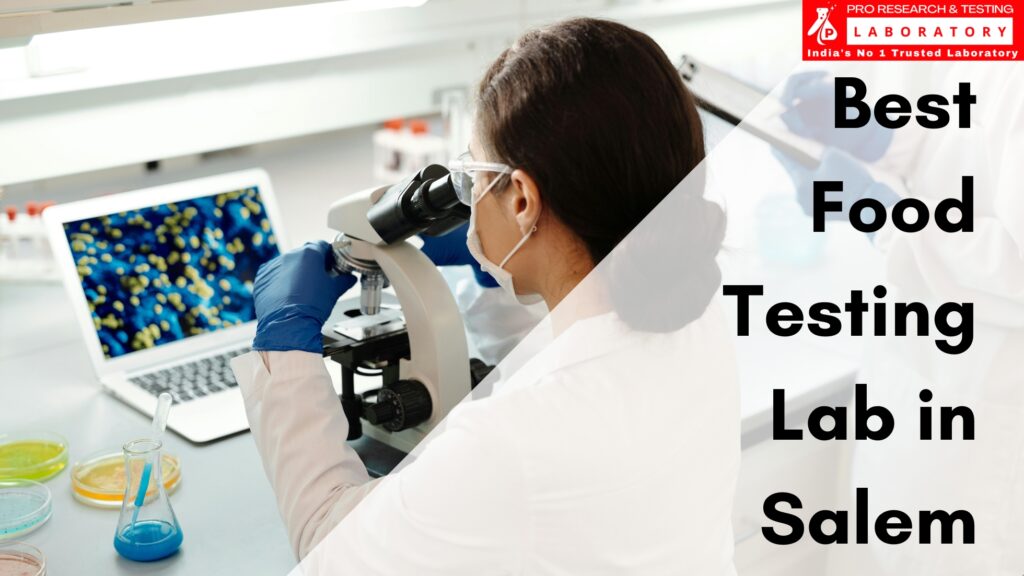
The need for a dependable food testing lab in Salem has become extremely pressing. With microplastic pollution increasing in our food and consumer products, immediate measures are essential. Poor hygiene practices are jeopardizing food safety, as raw vegetables, meats, and packaged goods may contain harmful substances. Additionally, contaminated ingredients used in cooking pose serious health threats from bacteria, germs, and industrial chemicals.
The widespread problem of urban waste heightens the risk of food contamination, particularly for street foods that often lack proper safety measures. Setting up a health-focused laboratory has become an absolute necessity, not just an option. Pro Research Testing Laboratory aims to be the leading food testing lab in Salem. Demonstrating how our fully equipped facility can offer crucial support during these tough times. Before we begin, let’s talk about how food contamination can happen easily.
| Contamination Source | Paraphrased Description |
|---|---|
| Biological Contaminants | Germs like bacteria, viruses, and parasites spread due to poor hygiene, dirty surfaces, or unsafe water use. |
| Chemical Contaminants | Chemicals like pesticides or additives enter food through residue on produce or packaging materials. |
| Physical Contaminants | Items such as glass, metal, or plastic can end up in food from faulty equipment or careless storage. |
| Cross-Contamination | Harmful bacteria transfer from raw foods to ready-to-eat items via shared utensils or cutting boards. |
| Improper Storage | Storing food at incorrect temperatures encourages bacterial growth and spoilage. |
| Unhygienic Handling | Unsanitary practices—like not washing hands or sneezing near food—introduce unsafe microbes. |
| Contaminated Water | Using polluted water in food prep allows bacteria, chemicals, and heavy metals to taint food products. |
| Expired Ingredients | Consuming out-of-date or spoiled food raises the risk of illness caused by foodborne pathogens. |
Why is there a Need for Government Approved Food Testing Lab in Salem?
Multiple cases of food poisoning were reported among nursing students in Salem. In one incident, 82 students fell ill after consuming hostel meals, with symptoms like dehydration and vomiting. Another case involved 57 students hospitalized after eating red pea curry from their canteen. Investigations revealed poor hygiene, unlicensed kitchens, and sewage-contaminated cooking water.
One the other hand, the officials warned that some roadside vendors were selling soft drinks made with untreated water and excessive food dyes, especially in rural areas and bus terminals. These beverages lacked proper labeling and failed to meet food safety standards. These incidents emphasize the urgent need for stricter food safety regulations and regular quality checks to prevent health risks. The current situation clearly points to the importance of relying on an FSSAI-approved food testing lab in Salem.
Guaranteeing food safety in India demands rigorous adherence to the regulations and standards set by the Food Safety and Standards Authority of India (FSSAI). Laboratories must undergo rigorous evaluations and obtain accreditation from the Department of Science and Technology. For a food research lab in Salem, getting FSSAI approval and NABL accreditation is essential for ensuring credibility and maintaining high standards. Moreover, to tackle these critical issues, the Indian government mandates NABL certification for labs to ensure accurate and trustworthy food testing.
Types of Tests and Procedures Carried Out by The Top Food Testing Laboratory in Salem
If you’re curious about the types of tests and processes carried out by the best food testing lab in Salem, let’s use Pro Research & Testing Laboratory as an example. We utilize advanced technologies such as Gas Chromatography-Mass Spectrometry (GC-MS), Liquid Chromatography-Mass Spectrometry (LC-MS), water meters, UV/Visible spectrophotometers, colorimeters, mass spectrometers, and High-Performance Liquid Chromatography (HPLC). Additionally, we follow meticulously planned steps to guarantee the accuracy of our test results.
| Testing Name | Process |
|---|---|
| Microbiological Testing | Detects harmful bacteria, viruses, and pathogens in food to prevent foodborne illnesses and ensure safety. |
| Chemical Testing | Identifies contaminants such as heavy metals, pesticides, and toxins, ensuring additive levels stay within permissible limits. |
| Nutritional Testing | Evaluates the nutritional composition of food, ensuring essential nutrients are present for maintaining health. |
| Allergen Testing | Screens for allergens like soy and gluten to protect individuals with allergies from unintended exposure. |
| Shelf-Life Studies | Determines optimal storage conditions and expiration dates to preserve food quality and safety. |
| Sensory Testing | Assesses food based on aroma, texture, and visual appeal to align with consumer preferences and aid product development. |
| Physical Testing | Examines texture, size, and shape to ensure consistency and identify components present in food products. |
| Verification of Origin | Confirms food sources through chemical analysis or DNA testing for authenticity and traceability. |
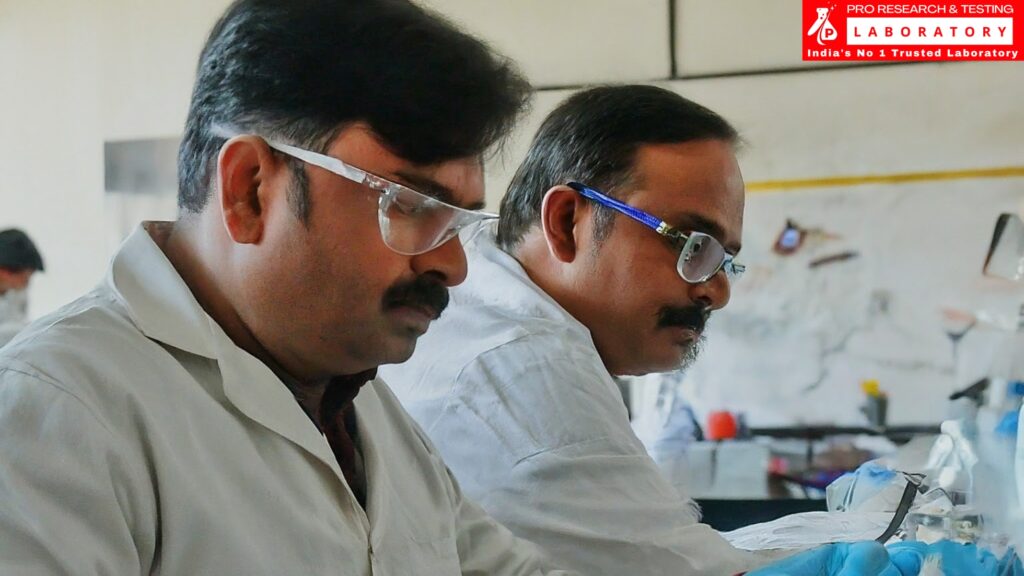
Step-by-Step Guide for Proper Food Sample Packaging and Transportation for Quality Lab Testing
Keeping food quality testing reliable means making sure packaging and transport meet strict sanitary and logistical rules. Sticking to these guidelines helps keep samples stable from the field all the way to the lab.
1. Representative Collection & Aseptic Handling
The process starts by collecting a representative sample, taking portions from different depths and spots, like the geometric centre of a bulk container, to make sure it reflects the whole batch. To avoid microbial or chemical contamination, staff should use clean tools like scoops or spatulas and wear protective gear such as sterile gloves and hairnets.
2. Primary Packaging & Labelling
Ensure each sample is secured in a sterile, leak-proof primary container.
- Solids: The go-to choice is the industry-standard Whirl-Pak bags.
- Liquids: Wide-mouthed plastic jars with screw-on caps are ideal. Fill them to about 90% to allow room for thermal expansion.
- Security: For liquids, make sure to seal the lids with waterproof tape and double-bag the container to reduce the risk of cross-contamination if a leak occurs.
As soon as you collect a sample, mark it with a permanent, waterproof marker, including the unique sample ID, date, exact time, and source.
3. Temperature Control & Logistics
Keeping the “cold chain” intact is crucial for preserving the freshness of perishable or frozen items. Sturdy, insulated Styrofoam coolers paired with pre-frozen gel packs or dry ice help ensure they remain at the proper temperature.
- The TC Sample: Place a “Temperature Control” (TC) sample, such as a spare bottle of water or an extra food item, in the centre of the shipment. This helps the lab verify the internal temperature conditions upon arrival.
- Documentation: Place all related paperwork, like the Chain of Custody and lab requisition forms, in a separate waterproof pouch and attach it to the inside lid of the cooler.
4. Final Transport
Mark the outside of the shipping box with “Perishable Food Samples” and send it via a priority overnight courier. This speeds up delivery and ensures the lab receives the samples in excellent condition for accurate, reliable results. For a more detailed look at the process, check out our step-by-step guide on proper food sample packaging and transportation.
What Makes Pro Research & Testing Laboratory the Best Lab for Food Testing in Salem?
Our Salem facility specializes in identifying hidden contaminants in a wide variety of dishes. With advanced technology and expert knowledge, our specialists carefully inspect each sample, ensuring precise food analysis and quick detection of harmful substances. Committed to your safety, our food testing lab provides reliable results for everything from lavish banquets to local street food, all while meeting international safety standards. By combining local culinary traditions with global expertise, we make sure your dining experience is not only safe but also authentic.
Our strong reputation is backed by our unique features and wide range of testing services. Our lab performs comprehensive analyses to identify contaminants like pesticides, heavy metals, bacteria, viruses, and industrial chemicals. We test various food products, from fresh produce and meats to packaged goods and street foods, ensuring thorough safety checks. Our skilled specialists carefully analyze each sample, considering its unique traits and using advanced techniques for in-depth food analysis. We are dedicated to quality and precision, strictly following international safety standards and regulatory guidelines.
Conclusion
Pro Research & Testing Laboratory in Salme specialises in detecting contaminants while also offering practical advice to enhance food safety practices. We provide actionable solutions for tackling specific quality concerns and assist in designing efficient filtration and water treatment systems. Through consistent monitoring of food and water quality, we play an active role in preventing health risks and safeguarding consumer well-being.
Pro Research & Testing Laboratory is the leading food testing lab in Salem, known for its state-of-the-art technology, wide range of testing services, and strong dedication to food safety and public health. With a fully equipped facility, we ensure accurate results and continue to support the community during these tough times. Furthermore, we are not only providing services to Salem but also in Kolkata, Aligarh, and other key locations in India, as well as water testing in Salem.
FAQs
- What types of water contaminants can Pro Research & Testing Laboratory detect?
- The lab performs in-depth testing to identify pollutants like harmful microbes (bacteria, viruses, parasites), toxic chemicals, pesticides, heavy metals such as arsenic and lead, and a wide range of organic and inorganic substances. These assessments comply with stringent health and safety regulations.
- What certifications does the laboratory hold?
- Pro Research & Testing Laboratory is accredited by NABL and recognized by FSSAI for food testing. These credentials reflect its commitment to high-quality standards and reliable testing practices.
- How long does it take to get food testing results?
- Turnaround time varies based on the nature and complexity of the tests. However, the lab ensures efficiency and provides an estimated timeline at the time of sample submission for transparency and speed.
- Why is food testing important in Salem?
- Salem is susceptible to food contamination due to environmental pollution, poor sanitation, and improper waste handling. Regular testing helps detect hazards early, lowering the risk of illness caused by microbes, chemicals, and other toxins.
- Does the lab offer expert consultation following the test results?
- Yes. The lab provides detailed recommendations to address detected issues, which may include solutions like installing purification systems or adopting treatment methods to maintain food and water safety long-term.