Basic hygiene is very important in a food business to keep food safe and clean for customers. It includes washing hands, keeping utensils and kitchen areas clean, storing food properly, and preventing contamination.Good hygiene helps a business by reducing the risk of foodborne illness, keeping customers satisfied, and building a good reputation. It also creates a clean working environment and helps the business follow food safety rules. Overall, proper hygiene is important for both customer safety and the success of the business.
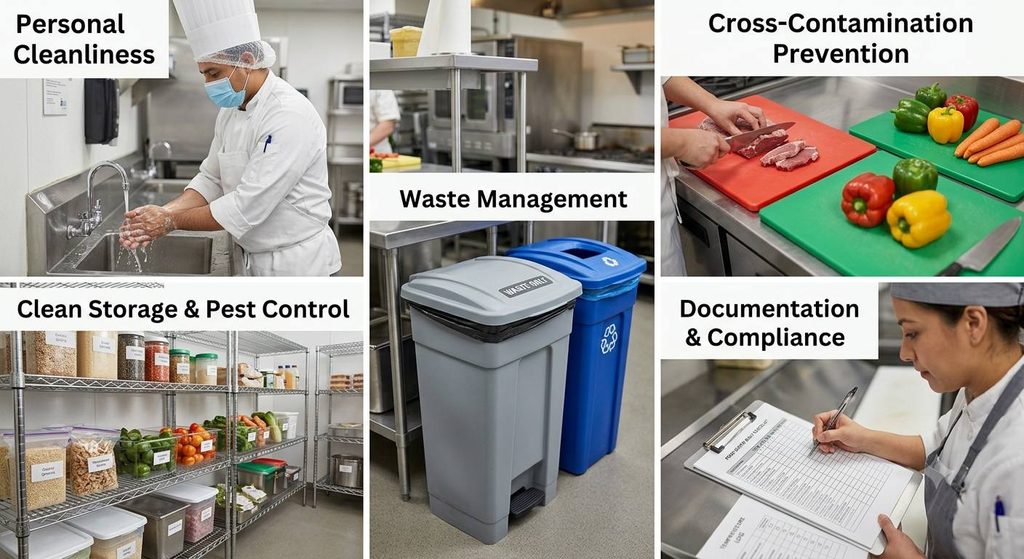
Here we discussed about how to maintain basic hygiene in your restaurant/food manufacturing unit.
Personal Cleanliness:
Personal cleanliness is important in a restaurant because workers come in contact with food and customers. Keeping hands, nails, hair, clothes, and the body clean helps stop germs from spreading. It also makes the restaurant look neat and professional. Good cleanliness keeps customers safe and makes them feel more comfortable and confident about the food.Here is some basic rules-
- Keep yourself clean and hygienic while working.
- Nails should be cleanly trimmed.
- Wear clean protective clothes where needed
- Use a head cover and proper footwear in food areas.
- Cover cuts and wounds with a waterproof dressing,also use gloves while handling food materials.
- Wash hands properly before and during food handling when required and disinfect hands after washing to maintain food safety.
- Avoid any activity that may contaminate the food.Example- Wash hands before starting work with food,after using the toilet, after touching raw food or dirty materials etc.
- Also Jewellery, watches, safety pins, flowers, and other unnecessary personal items should not be worn where they may contaminate food.
Illness and Injuries:
Food handlers should inform the management if they are suffering from any illness or injury that could affect food safety.The following conditions should be reported- Jaundice, Diarrhoea ,Vomiting ,Sore throat along with fever, Infected skin problems such as boils, cuts, or wounds, Discharge from the eyes, ears, or nose etc.
- If necessary, the food handler may be asked to undergo a medical examination. Depending on the medical advice and the risk of spreading infection. Proper records of medical examinations should be maintained.
- Regular health check up is also recommended for food handlers as a good safety practice.
Personnel Hygiene Facilities and Toilets:
Clean and suitable hygiene facilities should be provided for workers.
- Wash Basins– Hand-washing facilities should be available at convenient locations. Wash basins should be kept clean and supplied with safe, temperature-controlled water. Proper arrangements should be made for drying hands after washing.
- Clean Toilets-Toilets should be clean, hygienic, and easy to maintain. It should be located away from areas where food is handled to reduce the chance of contamination.
- Changing room-Changing rooms or suitable changing areas should be provided for staff when necessary to avoid contamination from dresses. In high-risk areas, workers may need to change their clothes before entering. Clean protective clothing and suitable footwear should be worn.
Prevention of microbiological cross-contamination:
- Raw food and ready-to-eat food should be handled separately to avoid the transfer of harmful microorganisms. This can be done by using different areas or by carrying out the activities at different times. The work area and equipment should be cleaned properly between handling raw and ready-to-eat foods, and disinfected when needed.
- Access to food processing areas should be controlled, especially where there is a greater chance of contamination.
- Other than raw food, particularly meat and poultry, has been handled, all contact surfaces, utensils and equipment should be cleaned thoroughly. Disinfection should be done when necessary to prevent microorganisms from spreading to other food or surfaces.
- Keep the sharp objects or utensils separately for every process rooms to prevent cross-contamination.
Physical and Chemical Contamination:
- Food should be protected from unwanted materials and chemicals that may enter during handling, manufacturing or processing. These can include broken glass, metal pieces from machinery, dust, harmful fumes and chemicals that are not meant to come in contact with food.
- Depending on the type of product and process, suitable methods such as sieving, screening or metal detection should be used to identify and remove foreign materials.
- Important food safety steps should be written down, including how food safety and quality are maintained and how these checks are carried out during work.
- The records should also mention what action is taken when a problem occurs and who is responsible for checking the process and maintaining the records.
Pest Control:
Pest control is important in any food business (manufacture unit/restaurant) to keep food and the kitchen clean and safe. Pests like cockroaches, flies, and rats can carry germs and spoil food. Regular cleaning, proper disposal of waste, and checking for pests can help prevent these problems. It also keeps the food business safe and gives customers a better impression.
- The factory should be kept clean and in good condition so that pests do not get an opportunity to enter or find places to breed. Cracks, holes, drains and other possible entry points should be checked regularly and properly closed or covered.
- Animals should not be allowed inside the factory premises or near food processing areas. Keeping the surroundings clean and maintaining the building properly can help prevent pest problems.
- Food, water and waste can attract pests and provide them with places to hide and breed. Food should be stored in properly closed containers to keep pests away. Stored food should be kept off the floor and away from walls so that the area remains easy to clean and inspect.
- The inside and outside of the food premises should be kept clean and free from waste. Rubbish should be placed in covered containers to prevent pests from reaching it.The premises should be checked regularly for any signs of pest activity. If pests are found, suitable action should be taken immediately to prevent the problem from spreading.
Waste management:
- Waste should be removed regularly so that it does not build up in places where food is handled or stored. It should also be kept away from work areas and the surrounding premises as much as possible.
- A separate area should be provided for keeping waste before it is removed. This area should be kept clean, away from food-handling areas, and checked regularly.
- Bins should have properly fitted lids and should be emptied and cleaned regularly. Foot-operated bins are better as they allow workers to dispose of waste without touching the lid.
Maintaining Documentation Properly:
Keeping clear and up-to-date records is important as much as maintaing sanitation & hygine.It helps a food business/manufacturer unit/processing unit to monitor food safety practices and demonstrate that required procedures are being followed. Important records may include:
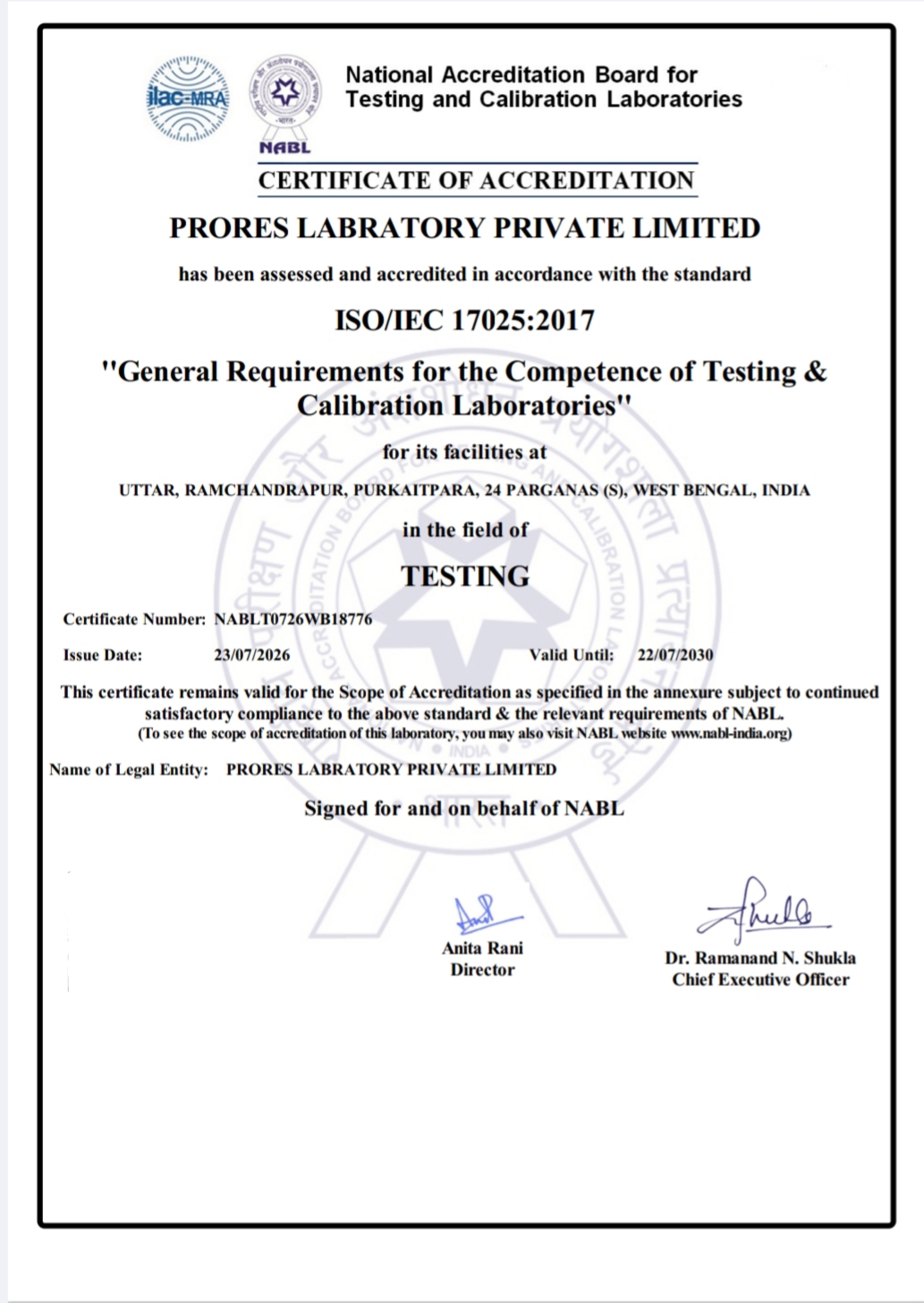
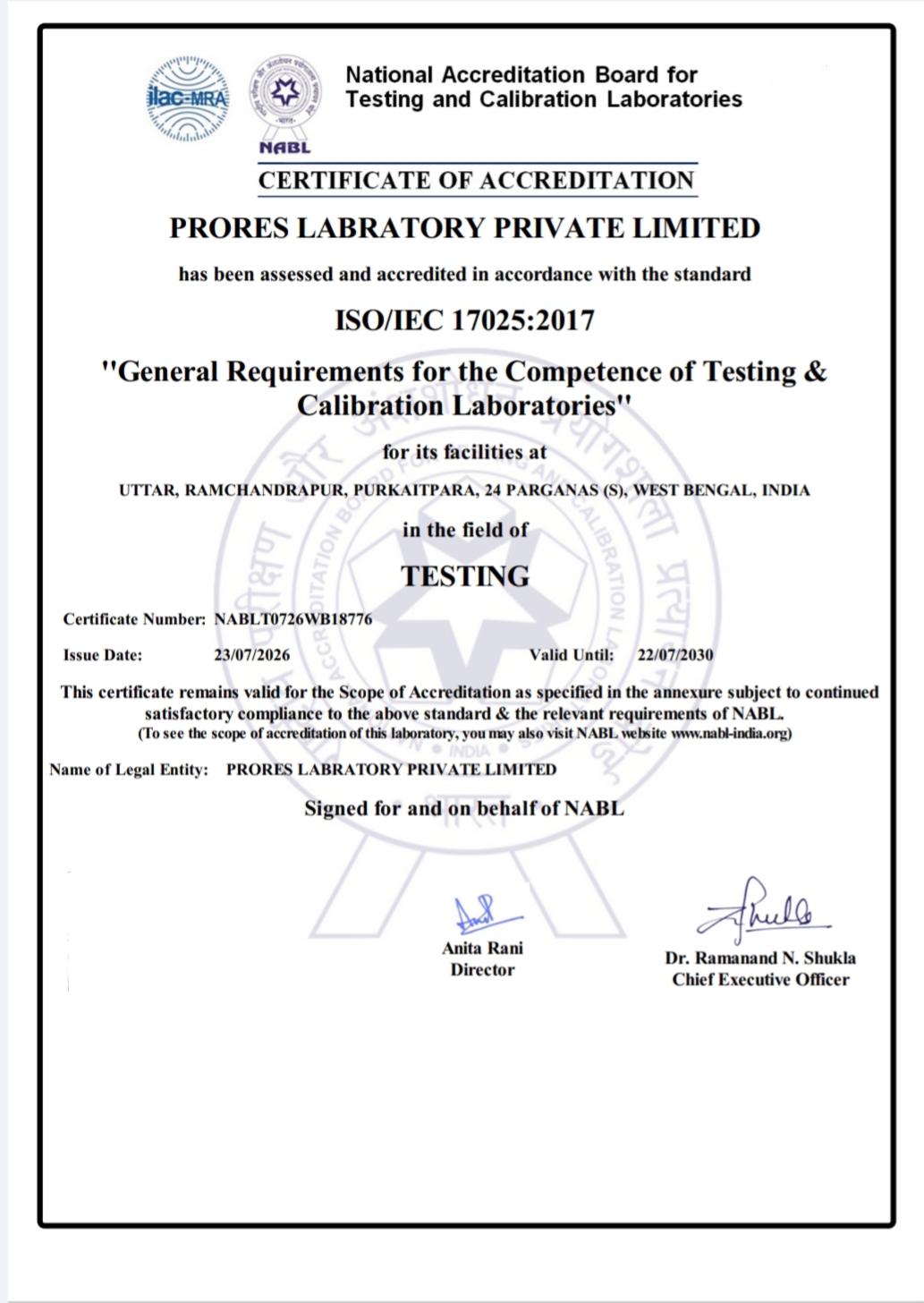
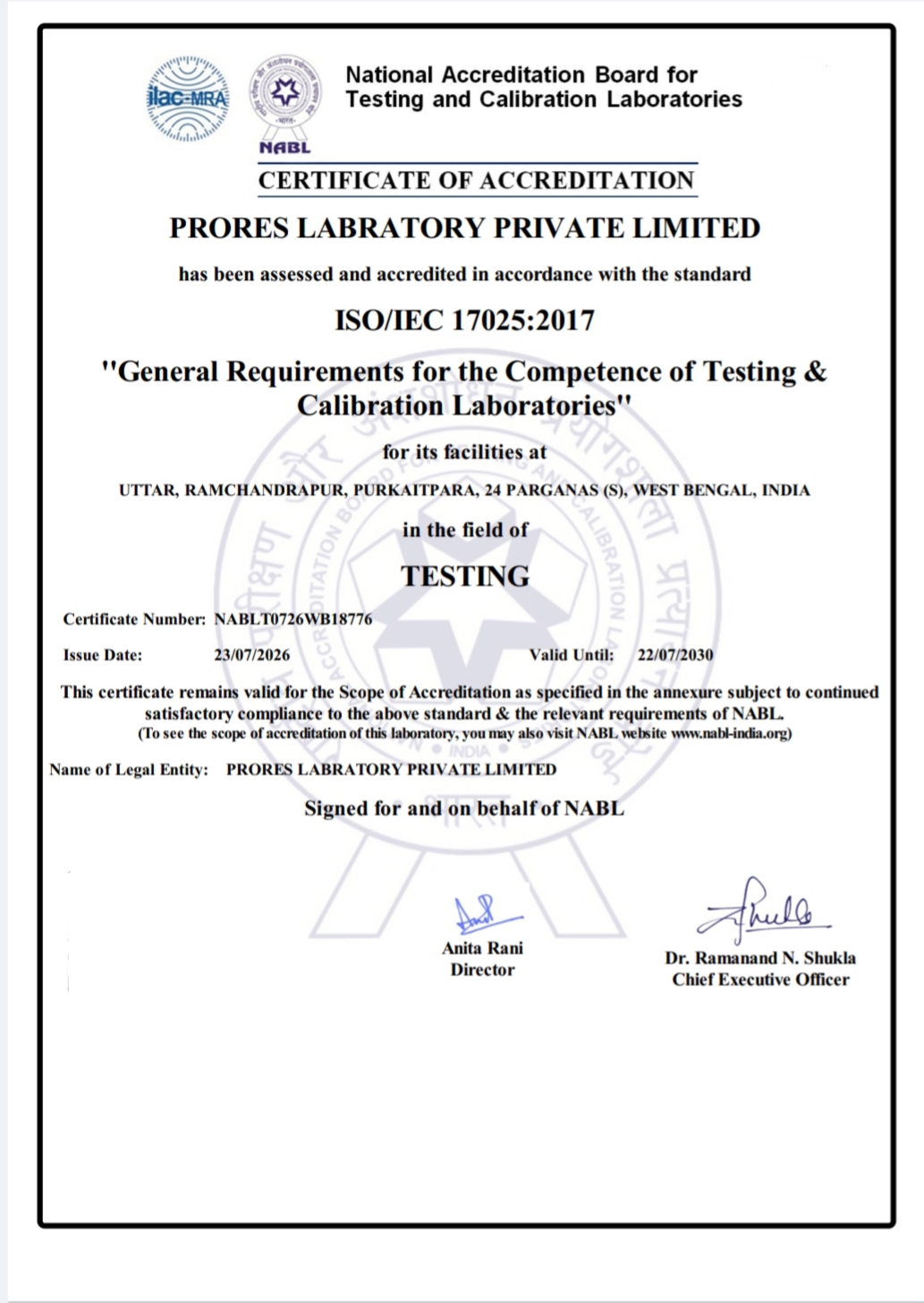
- Up-to-date the licence & reports-Not only maintain the sanitation documents,renewal of the FSSAI Licence or any other certificates required as per food business types, should be done depending on initial application(generally1-3 years) .Every operators or units whose have internal laboratory system, internal testing result of every batch of the product should be maintained.Besides this, the test report in 3 or 6 months also from the external laboratories should be kept for every different products i.e are raw materials, manufactured or processed foods to avoid any sudden audit or inspection.You can contact us Pro Research & Testing Laboratory or Prores Labratory Pvt. Ltd. for expert guidance & professional testing purpose.
- Water quality records – Maintain records of water testing reports.It is one of the important document to avoid any emergency circumstances.
- Food purchase and supplier records – Keep bills, invoices, and supplier details to support traceability.Proper labelling (purchase or manufacturing date & expiry date,batch no,product type) should be written on every batch of the raw & final products.
- Cleaning and sanitation records – Record routine cleaning of premises, equipment, and food-contact surfaces.
- Temperature records – Maintain records of refrigerator, freezer, cooking, and hot-holding temperatures where applicable.
- Pest control records – Keep details of pest inspections, treatments, and corrective actions.Pest control activity should be done in every week especially where raw materials (meat,fish,grain products etc) are stored.
- Training records – Document food safety and hygiene training provided to food handlers.
- Medical/health records – Maintain relevant health declarations or fitness records as required.
- Complaint and corrective action records – Record customer complaints, food safety incidents, investigations, and actions taken.
- Displaying of documents– All the necessary documents,charts or policy should be displayed properly in required area.
- Maintenance and calibration records – Keep records of equipment maintenance and calibration, particularly for temperature-measuring devices.
FAQs About Food Hygiene
1. What does food hygiene mean?
Food hygiene means keeping food, kitchen areas, equipment, and staff clean so that food remains safe to eat.
2. Why is food hygiene important in a restaurant?
Good hygiene helps prevent food poisoning and keeps customers safe. It also helps a restaurant maintain good food quality and a positive reputation.
3. How can restaurant workers maintain good personal hygiene?
Staff should wash their hands regularly, wear clean clothes or uniforms, keep their hair properly covered, and keep their nails clean and short. Anyone who is sick should avoid preparing or serving food.
4. When should food handlers wash their hands?
Hands should be washed before handling food and after using the toilet, touching raw meat, handling rubbish, coughing, sneezing, or doing anything that could make the hands dirty.
5. What is cross-contamination?
Cross-contamination happens when germs from one food or surface get onto another food. For example, using the same cutting board for raw chicken and salad without cleaning it properly can spread harmful bacteria.
6. How can cross-contamination be avoided?
Restaurants can reduce the risk by using separate utensils and cutting boards for raw and cooked foods. Kitchen surfaces should also be cleaned properly after preparing raw food.
7. How should food be stored?
Food should be kept covered and stored at the correct temperature. Raw food should be kept away from cooked and ready-to-eat food to prevent contamination.
8. How should a restaurant refrigerator be maintained?
The refrigerator should be kept clean and at a safe temperature. It should not be packed too tightly, and raw food should be stored carefully so that it does not leak onto other foods.
9. How should cooked food be handled?
Cooked food should be protected from dirt and germs and served with clean utensils. It should also be kept at a safe temperature and not left out for too long.
10. What should be done with spoiled or expired food?
Spoiled, expired, or suspicious food should be thrown away safely. It should never be served to customers.
11. How often should kitchen surfaces and equipment be cleaned?
Kitchen surfaces and equipment should be cleaned regularly, especially after preparing raw meat, fish, or eggs. Items that come into direct contact with food need particular attention.
12. Can a sick employee handle food?
Employees who have illnesses that could contaminate food should inform their authority and avoid handling food until it is safe for them to return to food duties.
13. How should restaurant waste be handled?
Waste should be put into suitable bins and removed regularly. Garbage should be kept away from food preparation and storage areas to avoid attracting pests.
14. How can restaurants prevent pests?
Keeping the kitchen clean, storing food properly, removing rubbish regularly, and closing possible entry points can help prevent insects and rodents from entering the restaurant.
15. Who is responsible for food hygiene?
Food hygiene is everyone’s responsibility in a restaurant. Respective authority should provide proper procedures and training, while all staff should follow the hygiene rules during their work.
16. Is certification & documentation is needed in Food Business?
Certification & documentation is the main part of any food business operation.It maintained the traceability & helps to overcome all the emergency situation like sudden inspection.