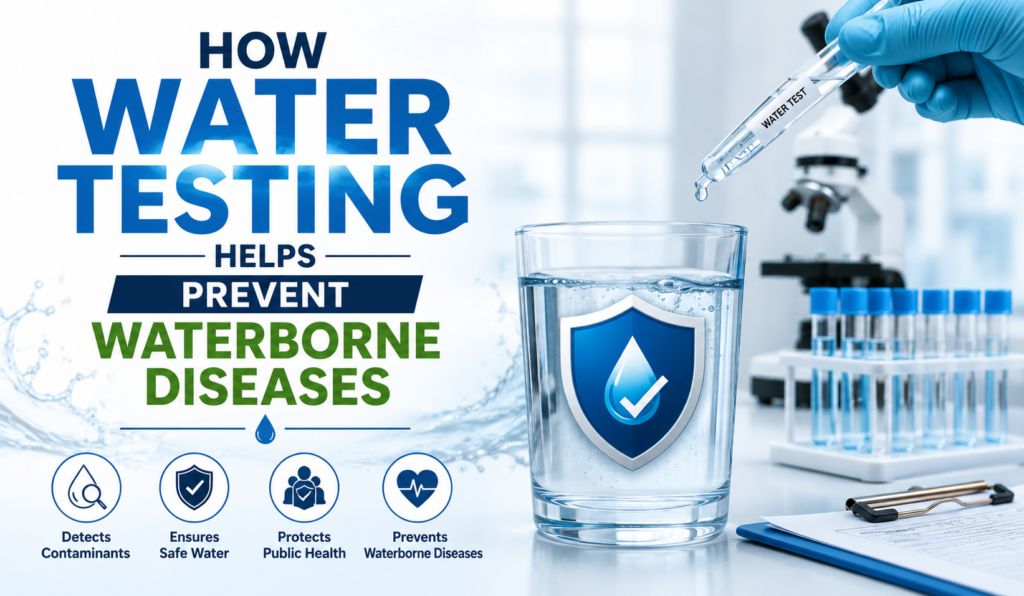
Water is essential for life, but safe water is essential for health. Imagine filling a glass of water from your kitchen tap. It looks crystal clear. There is no unusual smell. The taste seems normal. You take a sip without a second thought. Now imagine that same water contains harmful bacteria, viruses, heavy metals, or chemical contaminants that cannot be seen, smelled, or tasted. Scary, isn’t it? This is exactly why water testing is so important. According to the World Health Organization (WHO), polluted drinking water can transmit diseases such as cholera, diarrhea, dysentery, typhoid, and polio. WHO estimates that at least 1.7 billion people globally use a drinking water source contaminated with feces, increasing the risk of waterborne diseases. The good news is that many of these diseases can be prevented through regular water testing. By identifying contamination early, testing helps households, businesses, industries, schools, hospitals, and communities take corrective action before health problems arise.
Water Testing: Risks and Health Impacts
| Water Risk | What Testing Detects | Potential Health Impact |
| Bacterial Contamination | E. coli, Coliform Bacteria | Diarrhea, Cholera, Dysentery |
| Viral Contamination | Waterborne Viruses | Gastrointestinal Infections |
| Heavy Metals | Lead, Arsenic, Mercury | Long Term Health Problems |
| Chemical Contamination | Nitrates, Pesticides | Organ Damage, Development Issues |
| Industrial Pollutants | Toxic Chemicals and Industrial Waste | Chronic Health Risks |
| Poor Water Quality | pH Levels, Turbidity, Hardness | Reduced Water Safety and Quality |
| Sewage Contamination | Pathogens and Waste Indicators | Serious Disease Outbreaks |
The Biggest Danger Is What You Cannot See
Many people believe that if water looks clean, it must be safe. Unfortunately, that is not always true. Some of the most dangerous contaminants are completely invisible. Harmful microorganisms, bacteria, viruses, and dissolved chemicals can exist in water without changing its appearance. This is why visual inspection alone cannot guarantee safety. Laboratory testing is the only reliable way to identify many contaminants that may be present. Regular testing helps uncover hidden risks before they become health emergencies. It allows authorities, businesses, and homeowners to make informed decisions about water treatment and usage.
Stopping Waterborne Diseases Before They Spread
One of the most important benefits of water testing is disease prevention. Contaminated water can act as a vehicle for disease causing microorganisms. When people drink unsafe water or use it for cooking, harmful pathogens can enter the body and cause illness. Diseases commonly linked to contaminated water include cholera, typhoid fever, dysentery, hepatitis A, and various forms of diarrhea. Regular testing helps identify these risks before people become exposed. Once contamination is detected, appropriate treatment methods can be implemented to eliminate harmful organisms and restore water safety. Prevention is always easier, safer, and less expensive than dealing with an outbreak after it occurs.
A Real Life Example of Why Water Testing Matters
History provides many examples of how contaminated water can affect communities. One well known example occurred in Milwaukee, Wisconsin, in 1993. A contamination event in the public water supply led to an outbreak of Cryptosporidiosis, affecting more than 400,000 people. It remains one of the largest waterborne disease outbreaks in modern history. The incident highlighted the importance of continuous water monitoring and testing. Today, water systems around the world rely heavily on laboratory analysis to identify potential risks before they reach consumers. Events like these remind us that water safety should never be taken for granted.
Protecting Children and Vulnerable Groups
Not everyone is affected by contaminated water in the same way. Young children, elderly individuals, pregnant women, and people with weakened immune systems often face greater health risks when exposed to unsafe water. For children especially, repeated exposure to contaminated water can contribute to serious health problems, including gastrointestinal infections and nutritional challenges. Regular testing helps ensure that schools, childcare facilities, hospitals, and households provide safe drinking water to those who need protection the most. Protecting vulnerable populations begins with understanding what is in the water they consume every day.
Detecting Harmful Chemicals Before They Cause Major Damage
Water contamination is not always biological. Chemical contamination can be equally dangerous. Industrial activities, agricultural runoff, pesticides, fertilizers, and aging infrastructure can introduce harmful chemicals into water supplies. Substances such as arsenic, lead, nitrates, and mercury may not cause immediate symptoms, but long term exposure can lead to significant health complications. Laboratory testing helps identify these contaminants at an early stage. This helps identify problems early so that action can be taken before they affect a large number of people.
Supporting Public Health and Community Safety
Water testing is not just about individual households. It plays a major role in protecting entire communities. Municipal authorities, water treatment facilities, healthcare institutions, educational campuses, and industries rely on testing to maintain safe water standards. The information generated through testing supports public health decisions and helps authorities respond quickly when problems arise. Without regular monitoring, pollution could spread unnoticed for long periods, increasing risks for thousands of people. By identifying issues early, testing helps keep communities healthy and resilient.
Why Businesses Should Never Ignore Water Testing
Businesses also have a responsibility to ensure water safety. Restaurants, food processing facilities, hotels, healthcare centers, schools, and manufacturing units all rely on water for daily operations. Unsafe water can affect product quality, customer safety, and regulatory compliance. Routine testing helps businesses verify water quality, meet safety standards, and reduce operational risks. It also demonstrates a commitment to quality and public health, which can strengthen customer trust and business reputation. For many organizations, water testing is not simply a regulatory requirement. It is an essential part of responsible operations.
Prevention Costs Less Than Treatment
When it comes to public health, prevention is always more effective than treatment. Testing allows contamination to be detected before people become sick. This reduces healthcare costs, prevents productivity losses, and minimizes the impact of disease outbreaks. A relatively small investment in routine testing can help avoid much larger costs associated with medical treatment, emergency response, and infrastructure repairs. In many cases, the cost of prevention is only a fraction of the cost of dealing with the consequences of contaminated water.
Conclusion: Safe Water Starts with Regular Testing
Regular water testing remains one of the most effective tools for preventing disease and protecting public health. From detecting bacteria and viruses to identifying harmful chemicals and industrial pollutants, water testing provides the information needed to keep communities safe. It helps prevent outbreaks, supports public health initiatives, protects vulnerable populations, and ensures compliance with safety standards. Whether for homes, schools, hospitals, businesses, or municipalities, routine testing is an investment in health and peace of mind. Trusted food testing lab such as Pro Research & Testing Laboratory help organizations and communities gain confidence in their water quality through accurate analysis and reliable testing services. Because when it comes to public health, knowing what is in your water can make all the difference.
FAQs
1. Why is water testing important?
Water testing helps identify harmful bacteria, viruses, chemicals, and contaminants that may cause diseases or long term health problems.
2. What diseases can contaminated water cause?
Unsafe water can contribute to cholera, typhoid fever, dysentery, diarrhea, hepatitis A, and other waterborne diseases.
3. How often should drinking water be tested?
Testing frequency depends on the water source. Private wells often require annual testing, while businesses and institutions may need more frequent monitoring.
4. Can water look clean and still be unsafe?
Yes. Many harmful contaminants are invisible and cannot be detected by sight, smell, or taste alone.
5. Who should conduct water testing?
Accredited laboratories with proper testing facilities and expertise should perform water quality analysis to ensure accurate and reliable results.