



A science degree gives students an academic foundation, but laboratory careers also demand practical ability. B.Sc. and M.Sc. students learn scientific concepts in classrooms and college laboratories, yet professional work requires them to handle samples, instruments, procedures, records, safety measures, and quality requirements. An internship can connect these two stages. Pro Research & Testing Laboratory offers hands-on internship laboratory training programmes where students can practise laboratory processes under professional guidance. For students planning careers in microbiology, chemistry, analytical testing, quality control, research, or laboratory operations, this exposure can make academic knowledge easier to apply.
Why Practical Training Significant for B.Sc. and M.Sc. Students
B.Sc. students are usually building their first professional understanding of laboratory work. They need opportunities to turn basic concepts into repeatable practical actions. An internship can help them understand how a sample is received, prepared, tested, recorded, and reported. M.Sc. students generally enter training with deeper subject knowledge. Their focus can move towards method selection, calculations, instrument use, interpretation, documentation, quality systems, and problem solving. Practical exposure can also help them understand how scientific decisions are made when results are inconsistent or a procedure needs careful control.
Key Industry Skills B.Sc. and M.Sc. Students Can Develop Through Laboratory Training
- Learning Sample Handling and Preparation
Sample handling is one of the first skills students need to develop. A result is useful only when the sample has been collected, identified, stored, prepared, and processed correctly. During practical laboratory training, students can learn why contamination, incorrect labelling, unsuitable storage, or poor preparation can affect analysis.
- Developing Microbiology Skills
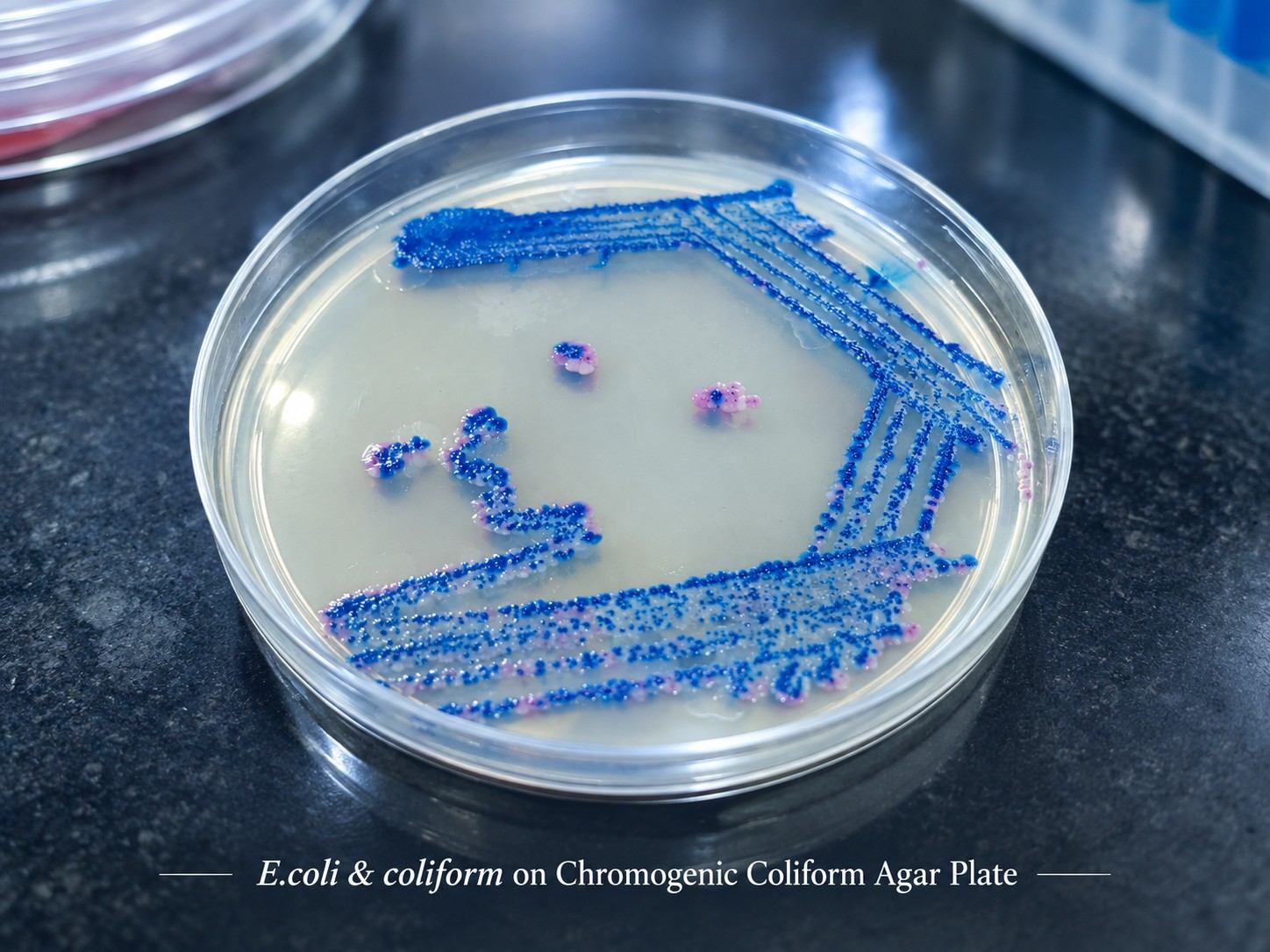
Students can gain practical experience in aseptic handling, media preparation, sterilisation, microbial isolation, colony counting, and contamination control. Pro Research’s internship programmes also cover microbial analysis, isolation, environmental checks, and laboratory documentation, helping students connect microbiology theory with routine analytical work.
- Strengthening Chemical Analysis Skills
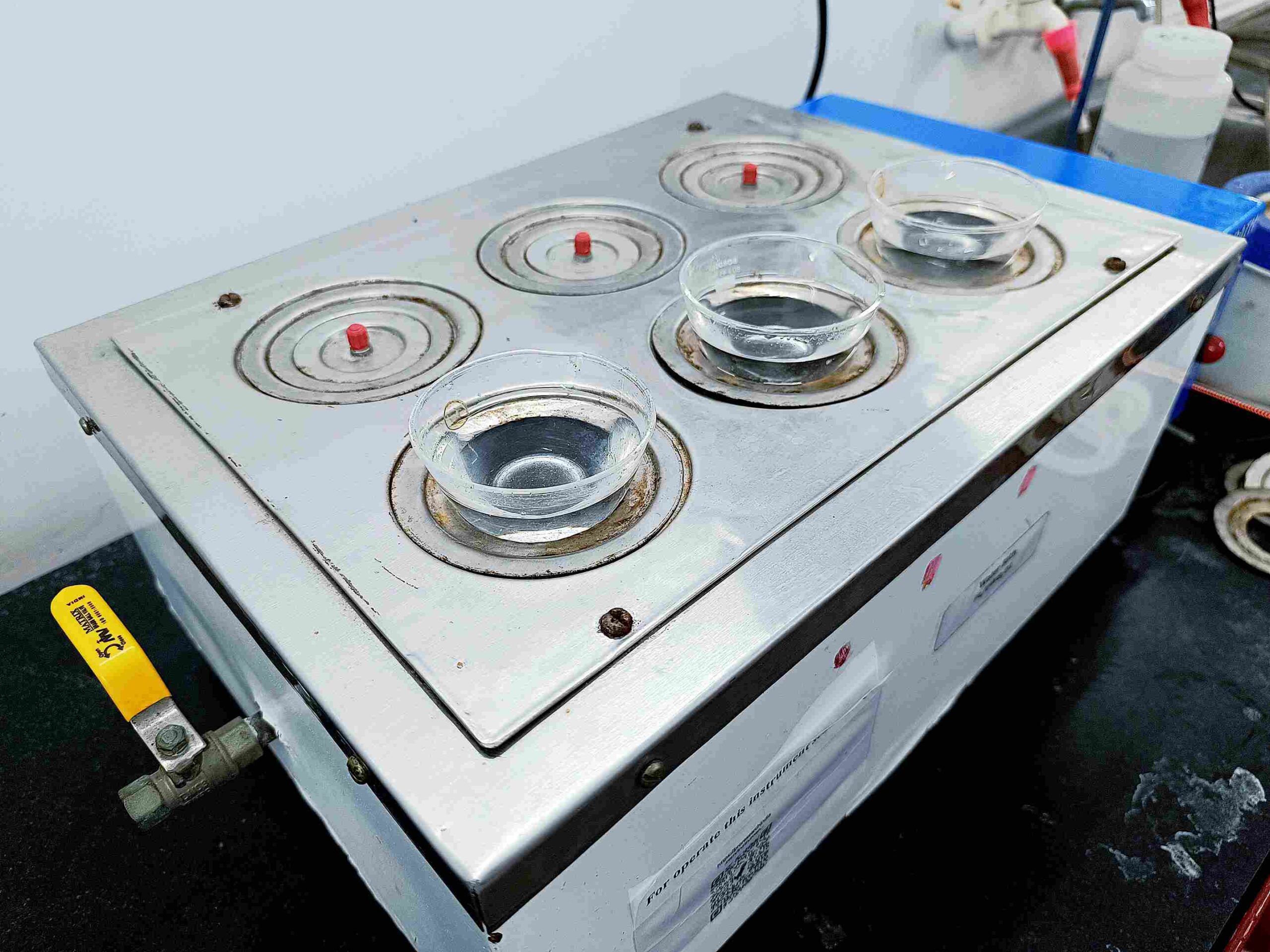
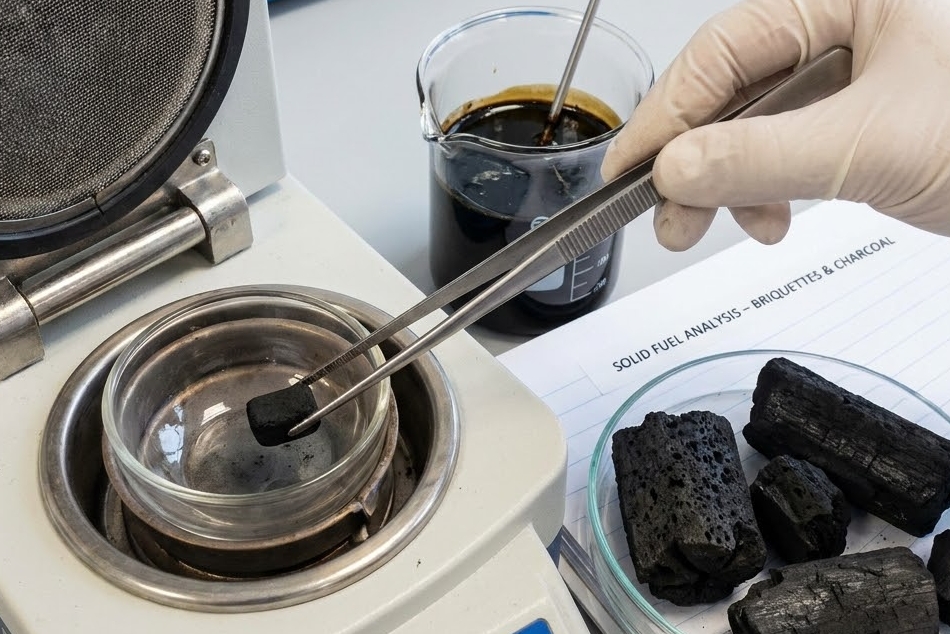
Chemistry and related students can strengthen measurement, calculations, reagent preparation, glassware handling, and analytical techniques while studying parameters such as moisture, ash, fat, protein, pH, hardness, chloride, and sulphate. For M.Sc. students, training also develops skills in calibration, instrument care, quality analysis, and SOP-based laboratory work.
- Building Instrument Handling Skills
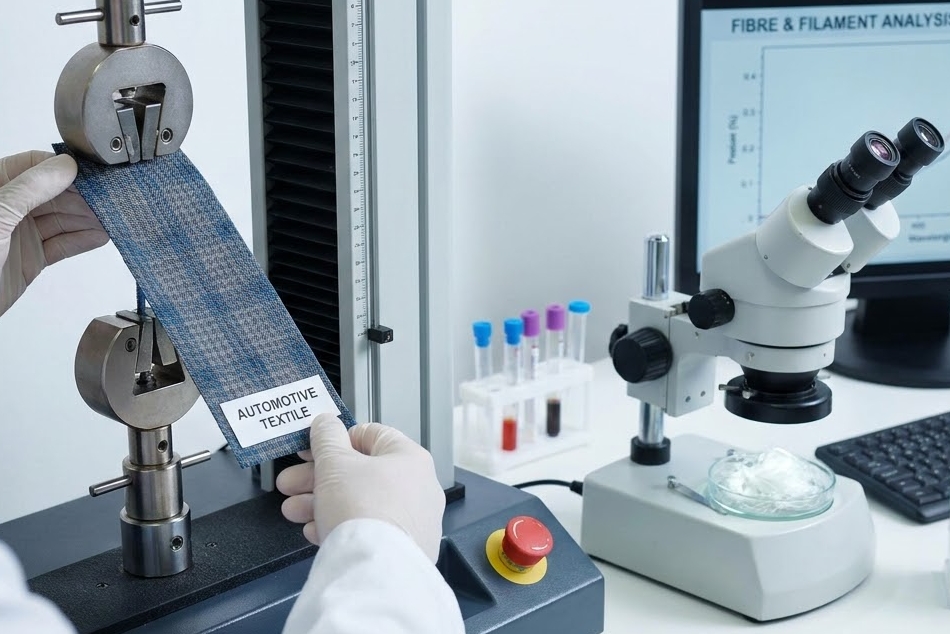
Modern labs depend on instruments that require correct operation and regular care. Students can learn to use equipment according to established procedures rather than treating instruments simply as classroom tools. They can understand the importance of cleaning, calibration, checks, maintenance, and recording instrument-related information.
- Understanding SOPs and Documentation
Professional laboratories rely on clear documentation through SOPs, worksheets, observations, calculations, and reports. B.Sc. students can learn accurate record-keeping, while M.Sc. students can develop skills in method requirements, result review, calculations, and reporting.
- Learning Laboratory Safety
Safety is a daily responsibility. Internship training can teach students about personal protective equipment, chemical handling, biological safety, waste disposal, emergency practices, and clean working areas.
- Developing Accuracy and Problem-Solving
Laboratory work requires patience and attention to detail. Students may encounter unexpected readings or calculation differences, so they learn to check samples, methods, equipment, calculations, and records before accepting a result. This habit supports both B.Sc. and M.Sc. students.
- Learning Quality-Focused Laboratory Practice
A professional laboratory is not only about producing a number; the result must be supported by a controlled process. Students can therefore learn quality control, traceability, documentation, repeat testing, and method discipline.
Internship Options at Pro Research & Testing Laboratory
Pro Research offers internship programmes at different levels and durations. Students can select courses based on their goals.
| Programme | Duration | Fee | Key Learning Areas |
| Certificate in Microbiology Analysis (Food & Water) | 2 Months | ₹25,000 | Biosafety, aseptic handling, E. coli, coliform, TPC, yeast & mould |
| Advanced Certificate in Microbiology Analysis (Food & Water) | 3 Months | ₹34,000 | Sample processing, pathogens, bacteria & fungi, bioburden |
| Professional Certificate in Microbiology Analysis (Food & Water) | 6 Months | ₹49,000 | Microbial isolation, instruments, laboratory management, SOPs |
| Certificate in Chemical Analysis (Food) | 2 Months | ₹25,000 | Moisture, ash, fat, protein, sodium & potassium |
| Advanced Certificate in Chemical Analysis (Food) | 3 Months | ₹34,000 | Food chemistry, milk quality, adulteration, toxic metals |
| Professional Certificate in Chemical Analysis (Food) | 6 Months | ₹49,000 | Calibration, reagent preparation, sugar, toxic metals, SOPs |
| Certificate in Chemical Analysis (Water) | 2 Months | ₹25,000 | pH, TDS, turbidity, alkalinity, hardness |
| Advanced Certificate in Chemical Analysis (Water) | 3 Months | ₹34,000 | Wastewater, COD, DO, TSS, oil & grease |
| Professional Certificate in Chemical Analysis (Water) | 6 Months | ₹49,000 | BOD, TKN, metals, phosphate, silica, SOPs |
| Professional Certificate Internship (Food & Water Quality) | 6 Months | ₹75,000 | Calibration, food analysis, water testing, pathogens, reporting |
How B.Sc. and M.Sc. Students Can Benefit from Laboratory Training
- Strengthen laboratory techniques: Develop practical skills in sample handling, preparation, measurement, equipment use, and routine laboratory procedures.
- Apply academic knowledge: Connect concepts learned during B.Sc. and M.Sc. studies with practical laboratory applications.
- Improve analytical accuracy: Build greater precision in measurements, calculations, observations, testing methods, and result interpretation.
- Gain instrument experience: Learn the correct operation, handling, care, calibration, and basic maintenance of laboratory instruments.
- Develop workplace discipline: Understand the importance of punctuality, cleanliness, safety, accurate records, and following established procedures.
- Build documentation skills: Practise maintaining records, preparing reports, following SOPs, and ensuring proper traceability of laboratory work.
- Develop quality awareness: Understand quality control, verification, calibration, and other practices that support reliable laboratory results.
- Explore career opportunities: Gain practical exposure to testing laboratories, quality control, analytical services, research support, and related scientific fields.
- Build professional confidence: Regular hands-on practice helps students become more comfortable with laboratory processes and professional responsibilities.
Career Opportunities for B.Sc. and M.Sc. Students in India’s Laboratory Sector
Your current blog mentions career opportunities only briefly in the benefit section. A dedicated section could give readers more useful information. You can cover roles such as:
- Laboratory Technician
- Microbiology Analyst
- Chemical Analyst
- Quality Control Executive
- Quality Assurance Assistant
- Laboratory Assistant
- Research Assistant
- Sample Processing Executive
- Environmental Laboratory Technician
- Analytical Laboratory Executive
The Importance of Practical Laboratory Training in India
India’s laboratory sector operates within a growing framework of quality standards, testing requirements, research, and regulatory procedures. For B.Sc. and M.Sc. students, this makes practical knowledge increasingly important alongside academic qualifications. The National Education Policy 2020 encourages higher education institutions to provide students with internships and research opportunities so they can experience the practical side of their learning and improve employability.
In testing laboratories, students may encounter structured procedures for sampling, analysis, documentation, quality control, and reporting. FSSAI, for example, recognizes and notifies NABL-accredited laboratories for food analysis, highlighting the importance of competent personnel, reliable methods, and quality-focused laboratory practices. For B.Sc. and M.Sc. students, internship experience can therefore help build familiarity with the professional practices expected in India’s laboratory sector. It can also make the transition from academic study to laboratory-based employment more practical and informed.
Conclusion
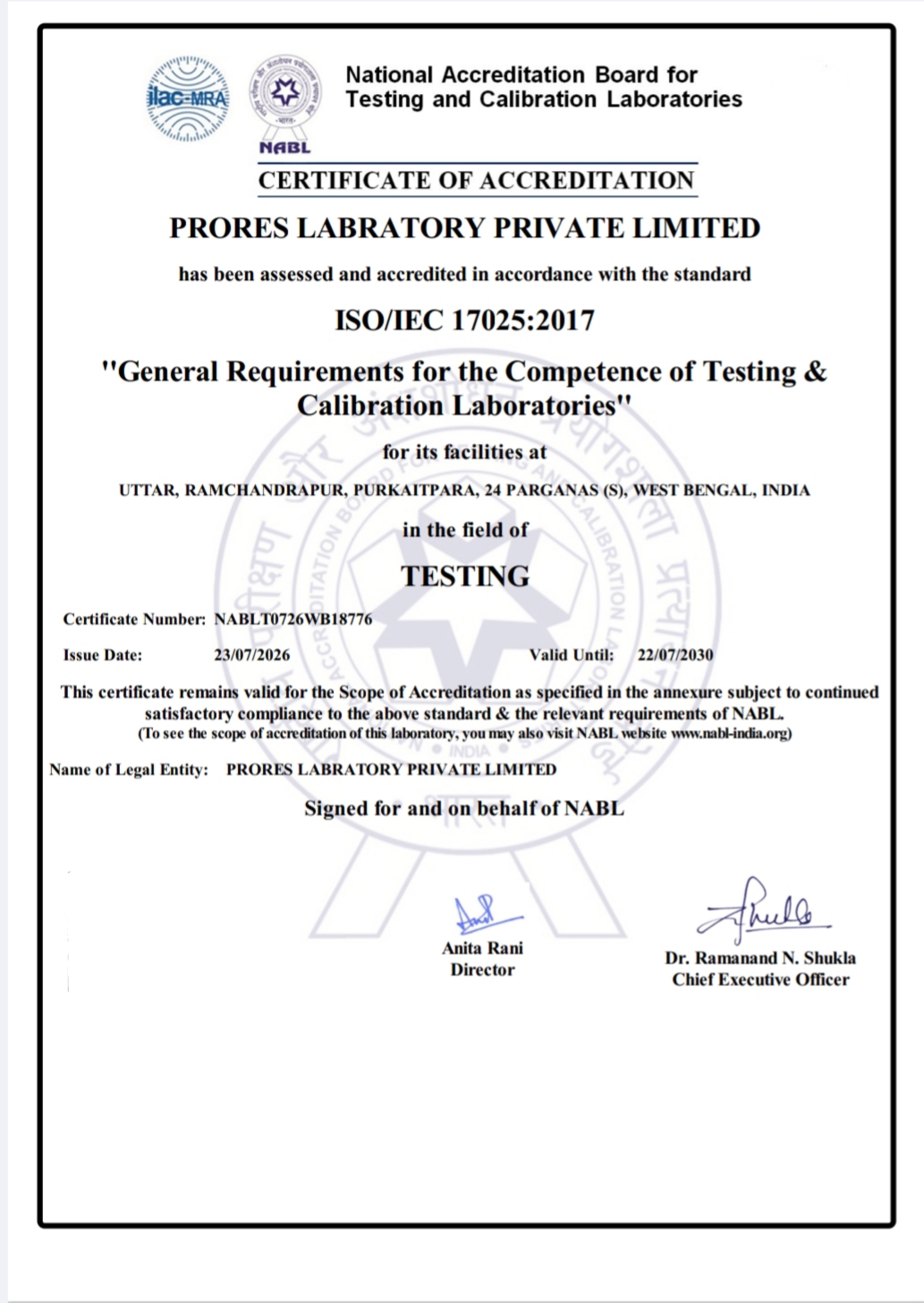
India’s growing focus on science, research, quality testing, and technology is creating a stronger need for graduates who can combine academic knowledge with practical laboratory skills. For B.Sc. and M.Sc. students, an internship and laboratory training can be an important step towards understanding this professional environment. At Pro Research & Testing Laboratory, an NABL-accredited food and water testing lab in Kolkata, students can learn how laboratory work is conducted in real situations and gain useful experience in microbiology and chemical analysis. Through practical laboratory training, students can develop technical skills, understand testing procedures, and gain confidence in handling laboratory work. By choosing laboratory training aligned with their academic background, students can build skills that support their journey towards careers in laboratory testing, quality control, research, and analytical services, while preparing themselves for the evolving scientific landscape of India.
FAQs
1. Why is laboratory training important for B.Sc. students?
It helps B.Sc. students apply classroom concepts through practical procedures, sample handling, equipment use, calculations, safety practices, and documentation.
2. What can M.Sc. students learn from a laboratory internship?
M.Sc. students can strengthen analytical methods, instrument handling, quality practices, SOP understanding, result interpretation, and professional reporting.
3. What internship areas are available at Pro Research?
The current programmes include microbiology analysis and chemical analysis courses at different levels, along with a broader professional internship.
4. Can an internship help students during job interviews?
Yes. It gives students practical experience they can confidently discuss during interviews.
5. Does an internship guarantee employment?
No. An internship provides practical exposure and skill development, but employment depends on qualifications, performance, experience, and individual employer requirements.