

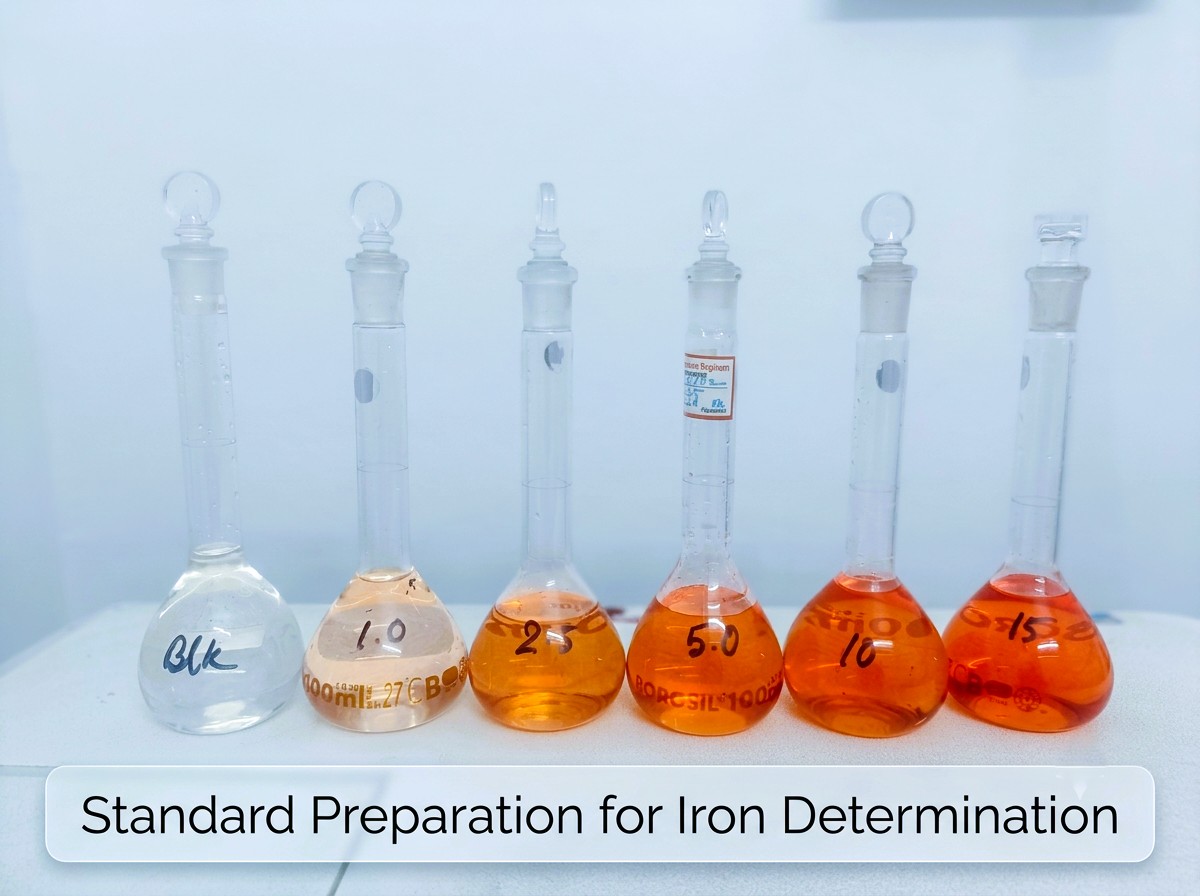

For students studying Microbiology, Biotechnology, Biochemistry, Food Technology, Life Sciences, or related subjects, an internship can be the point where classroom learning starts making real sense. You may already know about bacteria, fungi, culture media, staining, sterilisation, and microbial testing from textbooks. But working in a laboratory teaches you how these concepts are actually used. That is why choosing the right Microbiology Internship in Kolkata is important. A good internship should not be only about getting a certificate. It should give you practical exposure, help you understand laboratory procedures, improve your confidence, and introduce you to the discipline required in a professional testing laboratory. For students seeking practical laboratory experience, Pro Research & Testing Laboratory offers internships and certificate programmes in food and water microbiological analysis, with hands-on exposure to testing, instruments, documentation, and SOPs.
What Is a Microbiology Internship?
A microbiology internship is practical training where students get exposure to laboratory methods used to study and analyse microorganisms. Depending on the programme, students may learn about sample handling, culture techniques, media preparation, microbial enumeration, staining, sterilisation, contamination control, laboratory equipment, documentation, and microbiological testing. The exact training depends on the institute and programme. Therefore, students should always check the curriculum before enrolling. A Microbiology Internship in Kolkata can be particularly useful for students who want to understand what professional laboratory work is actually like before starting their careers or choosing a specialisation for higher studies.
Why Should Students Consider a Microbiology Internship?
Microbiology is not a subject that can be fully understood through theory alone. Practical experience helps students connect concepts with actual laboratory procedures. For example, knowing what E. coli is and understanding how microbiological analysis detects or studies it are two different things. Similarly, reading about culture media is different from understanding how media are prepared and used under controlled laboratory conditions. Practical training can help students:
- Become familiar with laboratory environments
- Understand sample handling procedures
- Develop basic laboratory discipline
- Learn how microbiological tests are performed
- Improve equipment-handling skills
- Understand contamination control
- Practise documentation and result recording
- Build confidence before applying for laboratory jobs
What Should You Check Before Enrolling?
Before choosing a Microbiology Internship in Kolkata, don’t select a programme only because it offers a certificate or has a short duration. First, look at the actual practical exposure. Ask whether the programme includes hands-on laboratory work, what types of samples are covered, which microbiological parameters are taught, what instruments students can work with, and whether students receive guidance from experienced professionals. You should also check whether the course matches your academic background. A beginner may need foundational training, while a student who already has laboratory experience may benefit more from an advanced programme.
Check the Practical Training Content
One of the most important things to look at is the curriculum. A useful microbiology training programme may cover areas such as:
- Sample collection and handling
- Media preparation
- Microbial culture techniques
- Sterilization
- Staining techniques
- Microbial enumeration
- Bacterial identification
- Contamination control
- Food microbiology
- Water microbiology
- Laboratory safety
- Documentation and reporting
The more relevant practical exposure you receive, the more useful the internship can become for your academic and professional development.
Understand Food and Water Microbiology
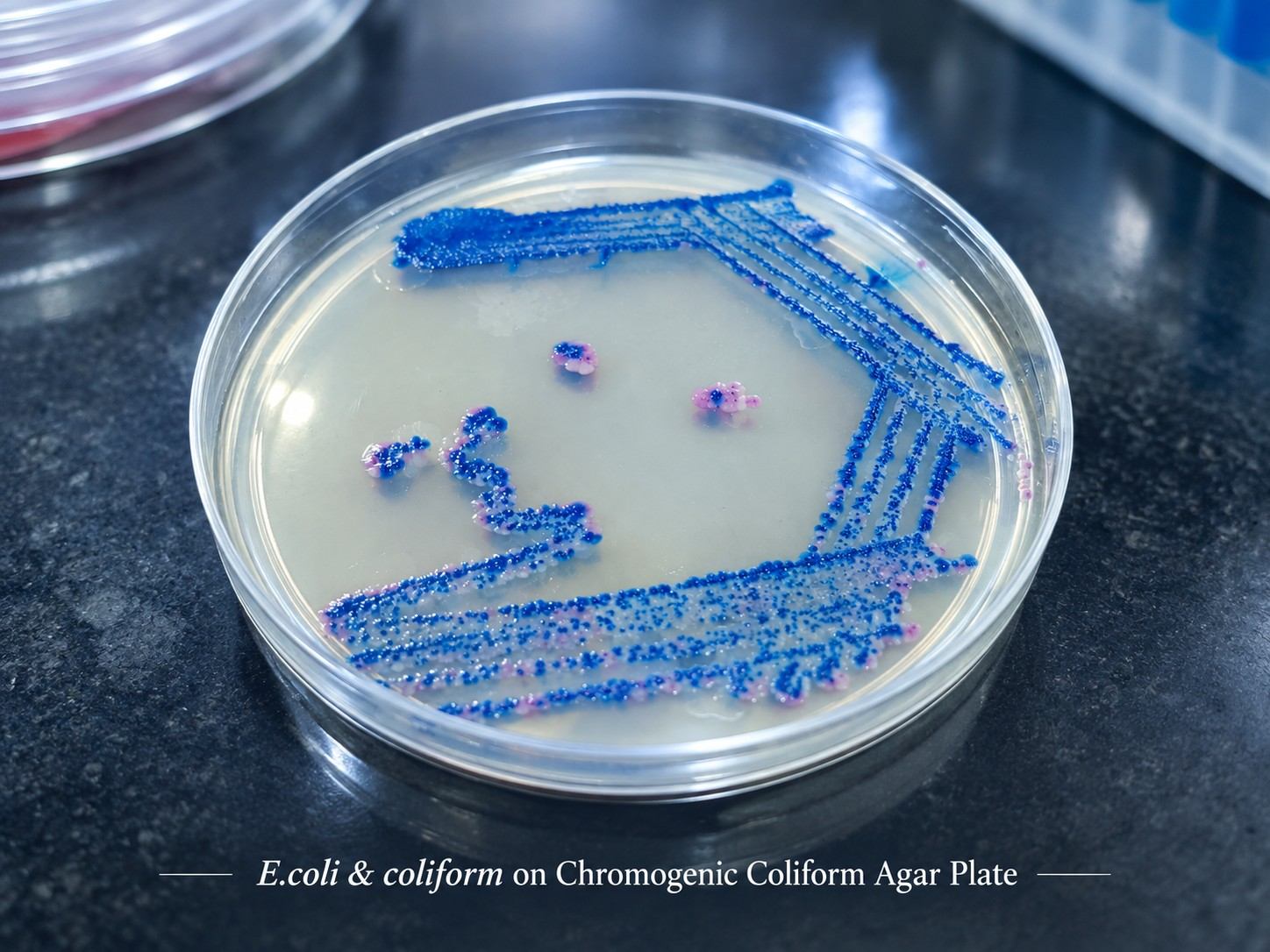
Microbiology is used across many industries. Food and water are two important areas where microbiological testing plays a major role. Food laboratories may analyse samples for microbial contamination, while water testing can involve checking microbiological indicators and other organisms that may affect water quality. At Pro Research & Testing Laboratory, microbiology-focused programmes include areas such as E. coli, total plate count, yeast isolation, water bacteria, instruments, and standard operating procedures. This type of exposure can help students understand how microbiology connects with food safety, water quality, environmental testing, and laboratory quality control.
Look for Real Laboratory Exposure
A certificate can be useful for your CV, but the practical experience behind that certificate is much more important. When evaluating a Microbiology Internship in Kolkata, find out whether students actually work in a laboratory environment or only attend classroom-based sessions. Real laboratory exposure can help you become familiar with:
- Laboratory instruments
- Glassware and equipment
- Personal protective equipment
- Sample processing
- Sterile working practices
- Observation and recording
- Laboratory documentation
- Standard operating procedures
These experiences can make the transition from college to a professional laboratory environment easier.
Learn About Laboratory Safety
Safety should never be treated as a secondary topic in microbiology. Students need to understand why laboratories follow strict rules regarding personal protective equipment, sample handling, sterilisation, waste disposal, cleaning, and contamination control. A good internship introduces students to these practices from the beginning. Developing safe working habits during training can be extremely useful when they later work in professional laboratories.
Documentation Is Also a Practical Skill
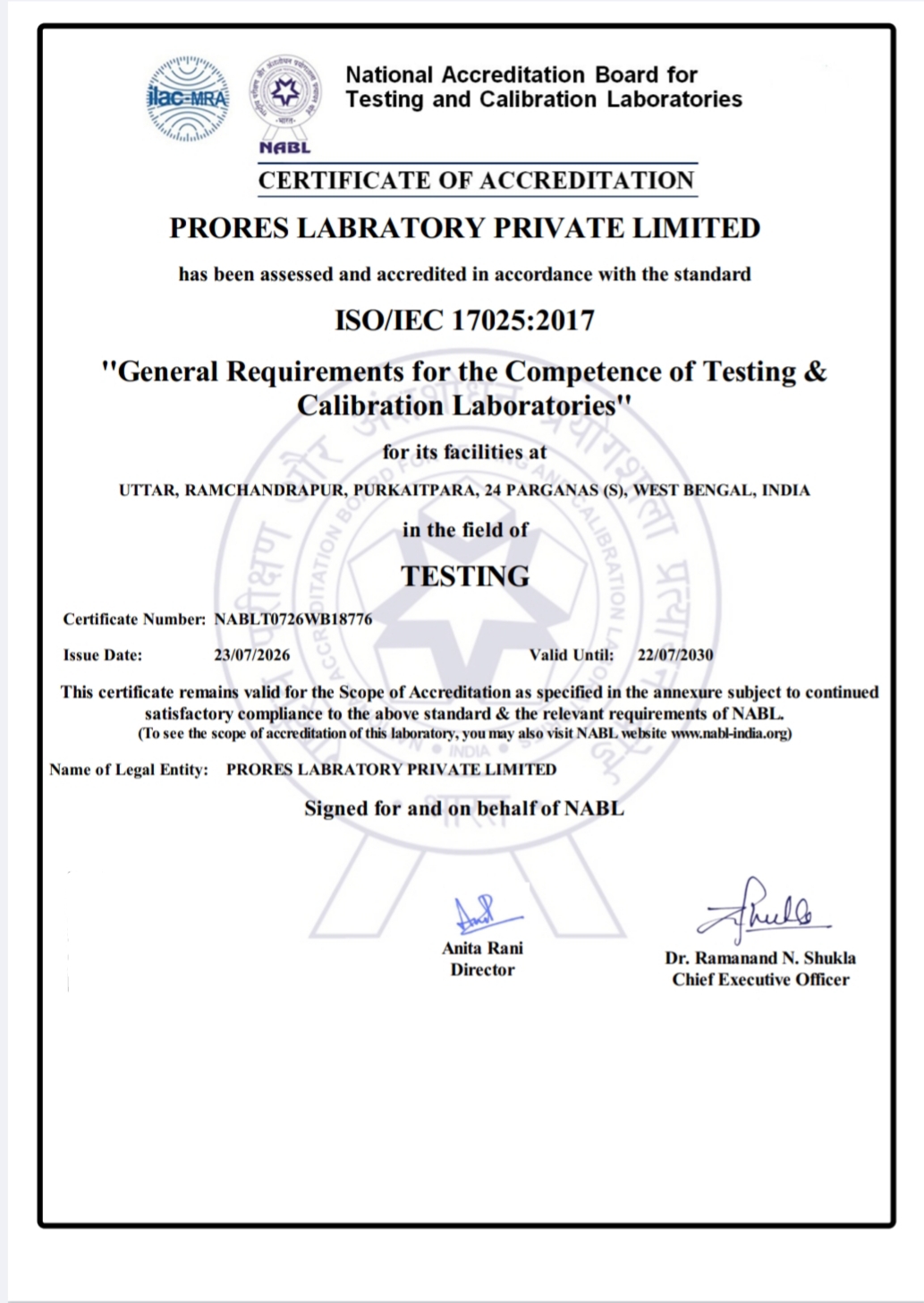
Many students focus heavily on testing techniques and forget about documentation. In a professional laboratory, however, accurate records are essential. Students should learn how observations, readings, sample information, calculations, and results are recorded. They should also understand why laboratory procedures need to be followed consistently and why documentation must be clear and traceable. Pro Research & Testing Laboratory states that its laboratory follows ISO/IEC 17025:2017-related quality practices, with systems involving areas such as controlled documentation, internal audits, proficiency testing, and inter-laboratory comparison.
Microbiology Internship Programmes at Pro Research
Pro Research offers microbiology-related internship and certificate programmes focused on food and water analysis.
| Programme | Duration | Fees | Key Areas |
| Professional Certificate in Microbiology Analysis (Food & Water) | 6 Months | ₹49,000 | E. coli, TPC, yeast isolation, water bacteria, instruments and SOPs |
| Professional Certificate Internship (Food & Water Quality) | 6 Months | ₹75,000 | Microbiological testing, pathogens, water analysis, instruments, calculations and reporting |
Programme duration, fees, curriculum, and availability may change. Students should confirm the latest details directly with Pro Research before enrolling.
Who Can Enrol?
A Microbiology Internship in Kolkata can be suitable for students and graduates from several related academic backgrounds. These may include:
- Microbiology
- Biotechnology
- Biochemistry
- Food Technology
- Life Sciences
- Environmental Science
- Chemistry and related disciplines
The eligibility requirements can differ depending on the programme. Therefore, students should check the specific admission requirements before applying.
How Can Internship Training Help Your Career?
Students often wonder whether an internship will actually help them get a job. The honest answer is that an internship does not guarantee employment. However, practical training can help bridge the gap between academic knowledge and workplace expectations. Depending on their qualifications, experience, and specialization, students may later explore roles such as Microbiology Laboratory Assistant, Laboratory Technician, Quality Control Assistant, Microbiology Analyst, Food Testing Assistant, or Research Assistant. Practical experience may also be useful when preparing for higher studies, research projects, laboratory examinations, or entry-level interviews.
Don’t Choose an Internship Only for the Certificate
This is probably the most important thing students should remember. Two internships may both provide certificates, but the actual learning experience can be very different. Before enrolling, ask yourself:
- Will I get practical laboratory exposure?
- Will I learn techniques relevant to my subject?
- Will I work with laboratory instruments?
- Will I understand documentation and SOPs?
- Will experienced professionals guide me?
- Will this training help me understand my career direction?
If the answer is yes, the programme is likely to offer more value than an internship chosen simply for adding another certificate to your CV.
Why Kolkata Students Can Benefit From Practical Training
Kolkata has students from a wide range of science and life-science backgrounds, and many are interested in laboratory careers after graduation. A Microbiology Internship in Kolkata can give local students an opportunity to gain practical exposure without having to travel to another city for basic laboratory training. More importantly, it can help students understand whether they genuinely enjoy laboratory work. Spending time in a professional testing environment can provide a clearer picture of the discipline, accuracy, patience, and attention to detail required in this field.
Make Your Internship a Learning Experience
The best internship is not necessarily the shortest, cheapest, or one with the most attractive certificate. It is the one that gives you meaningful practical learning. Before enrolling in a Microbiology Internship in Kolkata, understand the programme, check the practical modules, ask about laboratory exposure, review the eligibility criteria, and choose training that fits your academic and career goals. For students interested in food and water microbiology, Pro Research & Testing Laboratory provides structured internship and certificate programmes designed around practical laboratory exposure and analytical testing. If you want to move beyond textbook knowledge and understand how microbiology is applied inside a real laboratory, the right internship can be a valuable first step.
FAQs
1. What should I check before joining a Microbiology Internship in Kolkata?
Check the practical training modules, laboratory exposure, testing methods, equipment, duration, eligibility, documentation training, and guidance provided during the programme.
2. Who can apply for a Microbiology Internship in Kolkata?
Students and graduates from Microbiology, Biotechnology, Biochemistry, Food Technology, Life Sciences, Environmental Science, and related subjects can explore suitable programmes. Eligibility depends on the specific course.
3. What practical skills can I learn during a Microbiology Internship in Kolkata?
Students may learn sample handling, culture techniques, media preparation, sterilisation, microbial testing, contamination control, equipment handling, SOPs, documentation, and result recording.
4. Is a certificate enough to get a microbiology job?
No. A certificate alone does not guarantee employment. Employers may consider academic qualifications, practical skills, laboratory experience, communication, and the requirements of the specific position.
5. How long is the Microbiology Internship in Kolkata at Pro Research?
Pro Research currently lists 6-month microbiology-focused programmes in Food & Water Microbiology and Food & Water Quality. Students should confirm the latest duration, fees, curriculum, and availability before enrolment.