
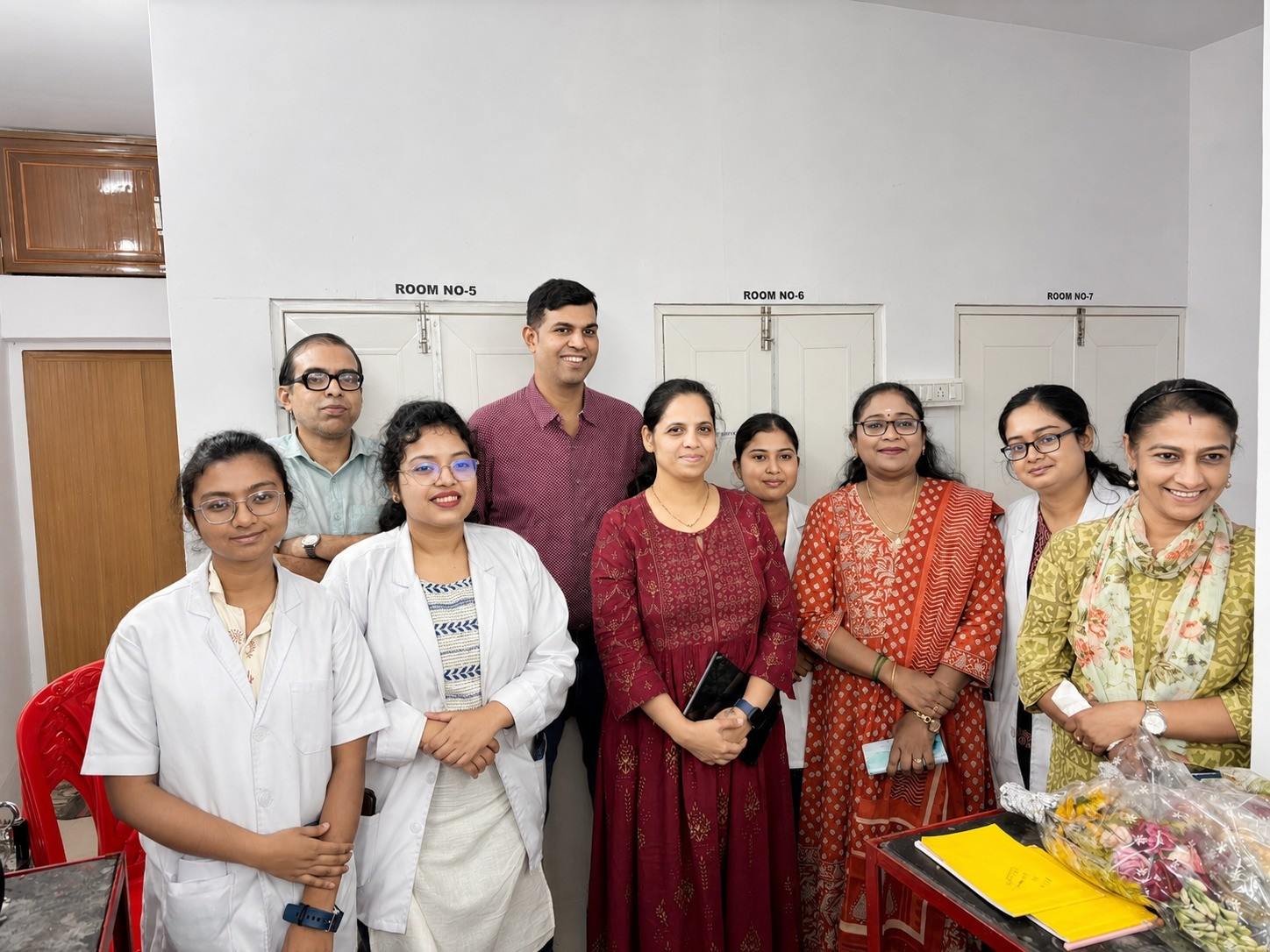


Books can explain how a laboratory test works, but the real learning begins when you actually stand inside a laboratory and perform it yourself. If you’re studying Microbiology, Biotechnology, Biochemistry, Food Technology, Life Sciences, or a related field, practical exposure helps you understand how samples are handled, how testing procedures are followed, how laboratory instruments are used, and how results are recorded accurately. It also gives you a clear understanding of why precision, proper procedures, and attention to detail matter in professional laboratory work. This is where a Microbiology internship can become an important part of your academic and professional journey. Instead of only reading about microorganisms and laboratory techniques, you get the opportunity to understand how microbiological testing works in an actual laboratory environment. At Pro Research & Testing Laboratory, internships provide hands-on exposure to laboratory testing, research methods, quality practices, safety, and professional workflows.
Why Is a Microbiology Internship Important for Students?
Microbiology is a practical subject. You may learn about bacteria, fungi, microorganisms, culture techniques, sterilisation, staining, and microbial analysis in your academic course. However, knowing the theory and performing the procedure correctly are two different things. A Microbiology internship gives students the chance to understand how theoretical concepts are applied in a working laboratory. For example, instead of simply learning what bacterial culture means, students can understand the complete workflow around sample handling, media preparation, inoculation, incubation, observation, and documentation under appropriate laboratory supervision. This practical exposure can make concepts easier to understand and remember.
What Skills Can You Gain From Real Lab Training?
The biggest advantage of a Microbiology internship is the practical skill development that takes place alongside theoretical learning. Students may develop experience in areas such as:
- Laboratory safety and hygiene
- Sample handling and preparation
- Media preparation
- Microbial culture techniques
- Sterilisation practices
- Staining techniques
- Microorganism observation
- Microbiological testing
- Laboratory equipment handling
- Documentation and record keeping
- Basic calculations and result interpretation
- Standard operating procedures
The exact techniques covered will depend on the internship programme and the student’s academic background.
1. Learn Proper Sample Handling
Sample handling may sound simple, but it is one of the most important parts of laboratory testing. If a sample is collected, stored, labelled, or transported incorrectly, the final result can be affected. During practical training, students can learn why proper identification, labelling, storage conditions, contamination control, and systematic sample handling are important. These habits are useful in almost every professional laboratory environment.
2. Understand Microbial Culture Techniques
Microbial culture is a fundamental area of microbiology. It involves providing suitable conditions for microorganisms to grow so they can be studied or analysed. During a Microbiology internship, students may receive practical exposure to concepts related to culture media, inoculation, incubation, colony observation, and microbial growth. The important part is not simply learning a procedure. Students should understand why each step is performed and how errors can affect the outcome.
3. Develop Skills in Microbiological Testing
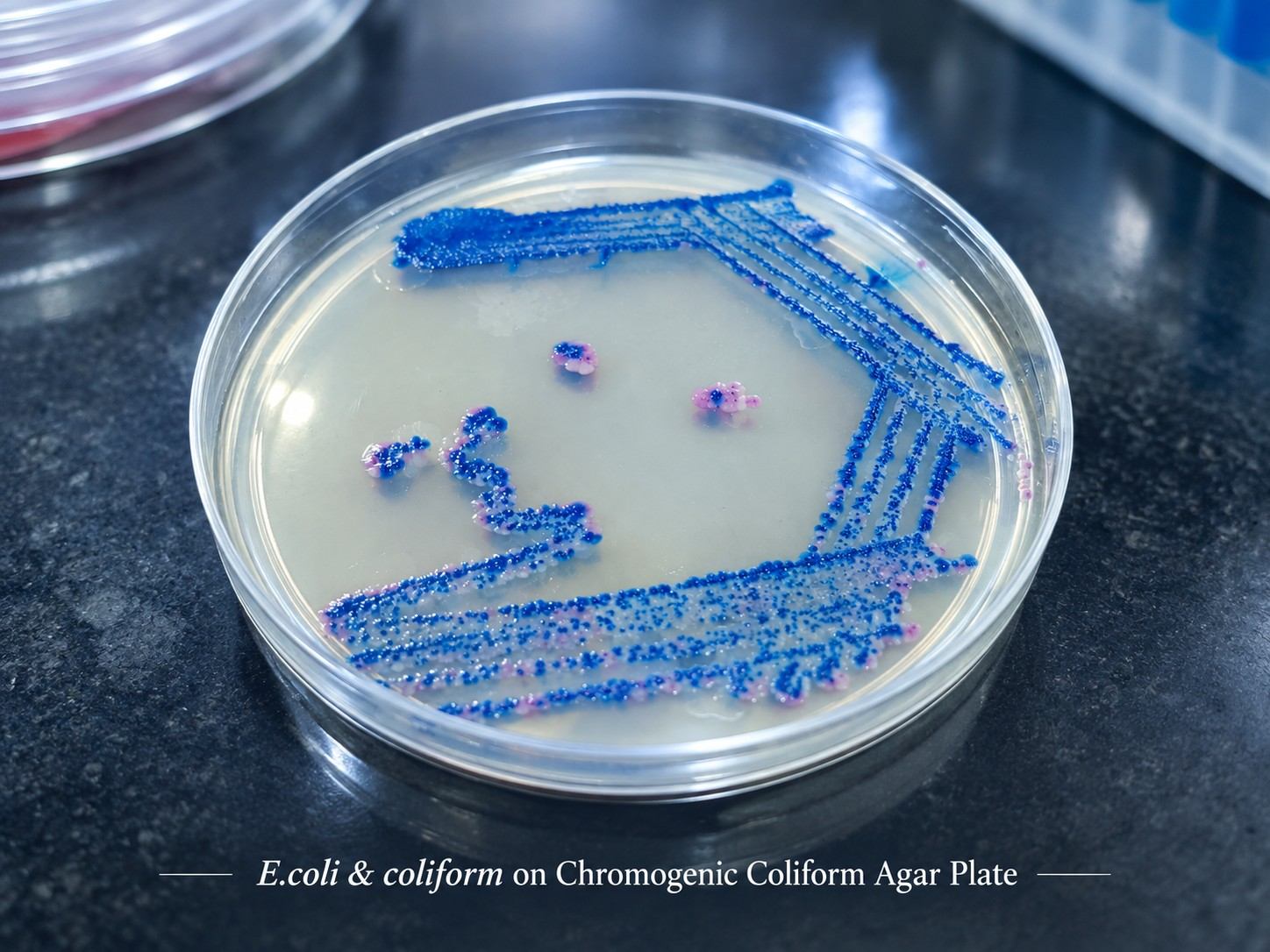
Professional laboratories may perform microbiological analysis for different types of samples, including food and water. Pro Research & Testing Laboratory lists microbiological testing areas involving food and water, including parameters related to E. coli, total plate count, yeast, and other microbiological analysis. Depending on the programme, students can gain exposure to the principles and practical workflow involved in such testing. This helps connect classroom topics such as microbial contamination and indicator organisms with actual laboratory applications.
4. Learn Laboratory Equipment and Instruments
A laboratory professional needs to be comfortable around equipment. Training can introduce students to the purpose and correct use of different laboratory instruments and equipment. Depending on the programme, this may include exposure to equipment used for:
- Sterilisation
- Incubation
- Microscopy
- Sample preparation
- Microbial analysis
- Measurement and testing
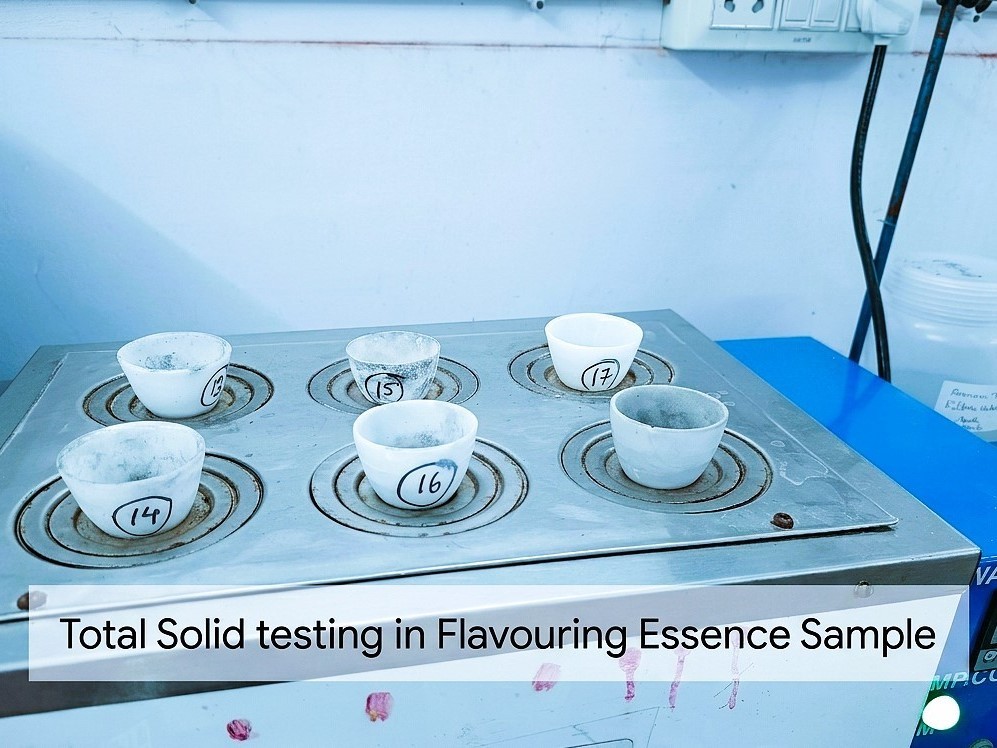
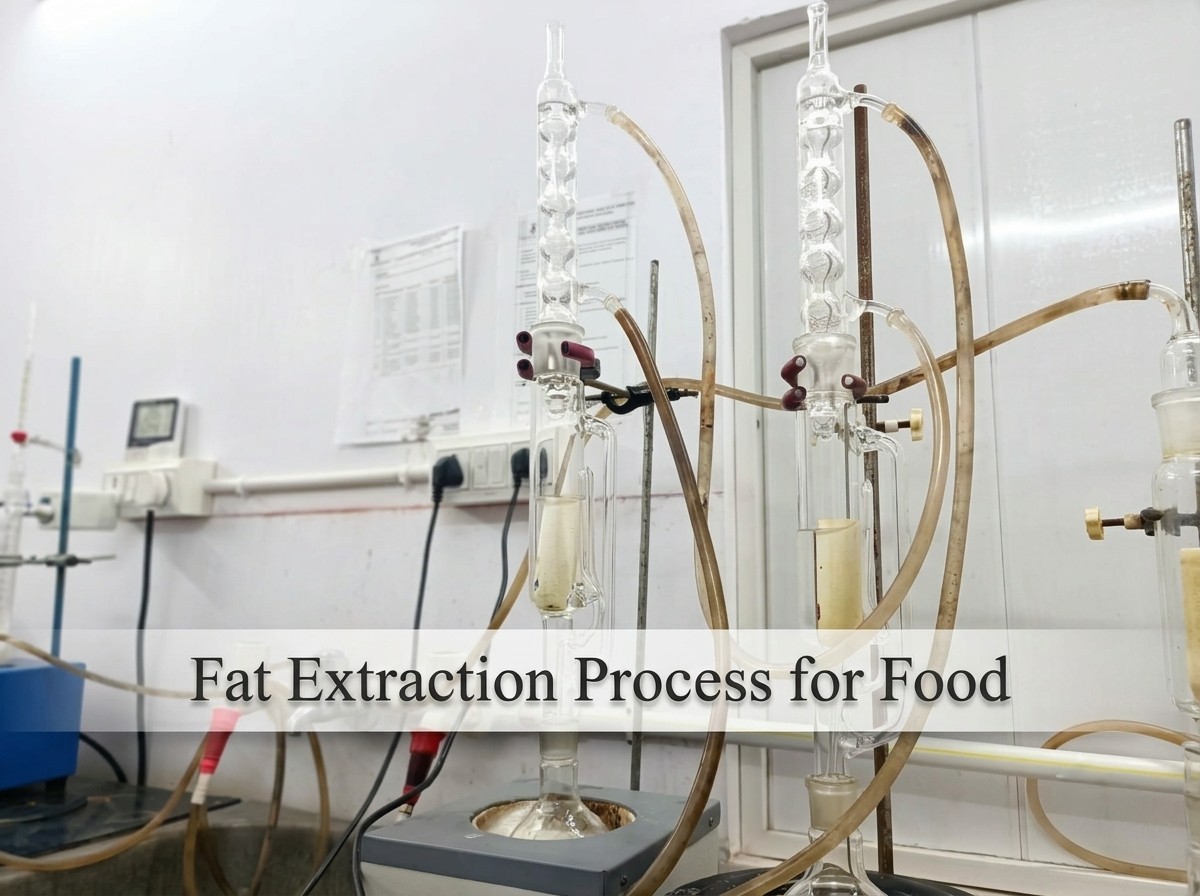
Learning how equipment works is only one part. Students also need to understand proper handling, cleaning, safety precautions, and documentation. Laboratory training programmes at Pro Research include practical exposure to laboratory instruments and analytical practices in a professional testing environment.
5. Understand Sterilisation and Contamination Control
Contamination can seriously affect microbiological testing. A student may perform a procedure correctly but still obtain unreliable results if contamination is not controlled. Real laboratory training helps students understand the importance of:
- Clean working areas
- Sterile equipment
- Proper handling techniques
- Personal protective equipment
- Waste disposal
- Preventing cross-contamination
These are basic professional habits that can remain useful throughout a microbiology career.
6. Improve Documentation and Reporting Skills
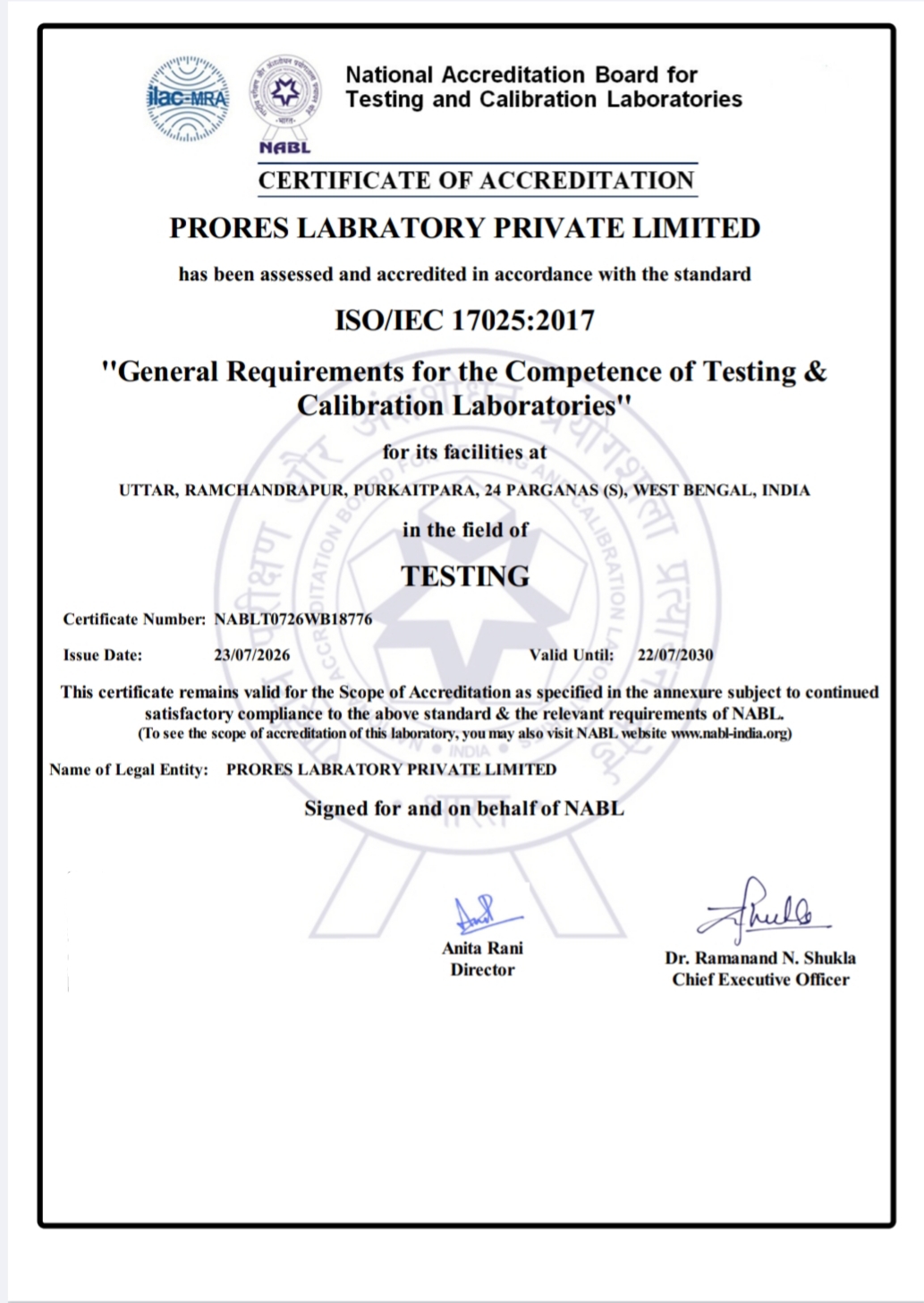
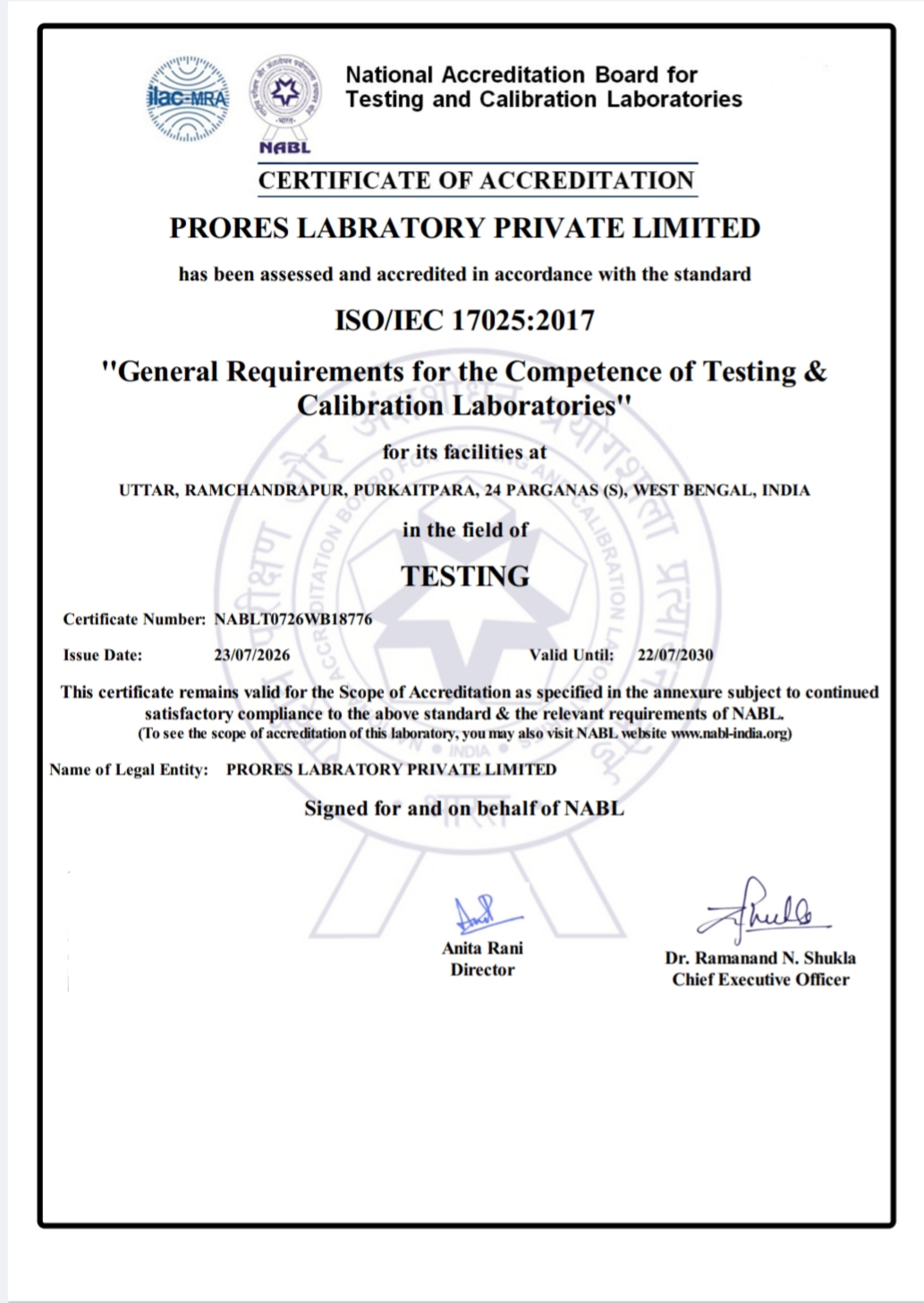
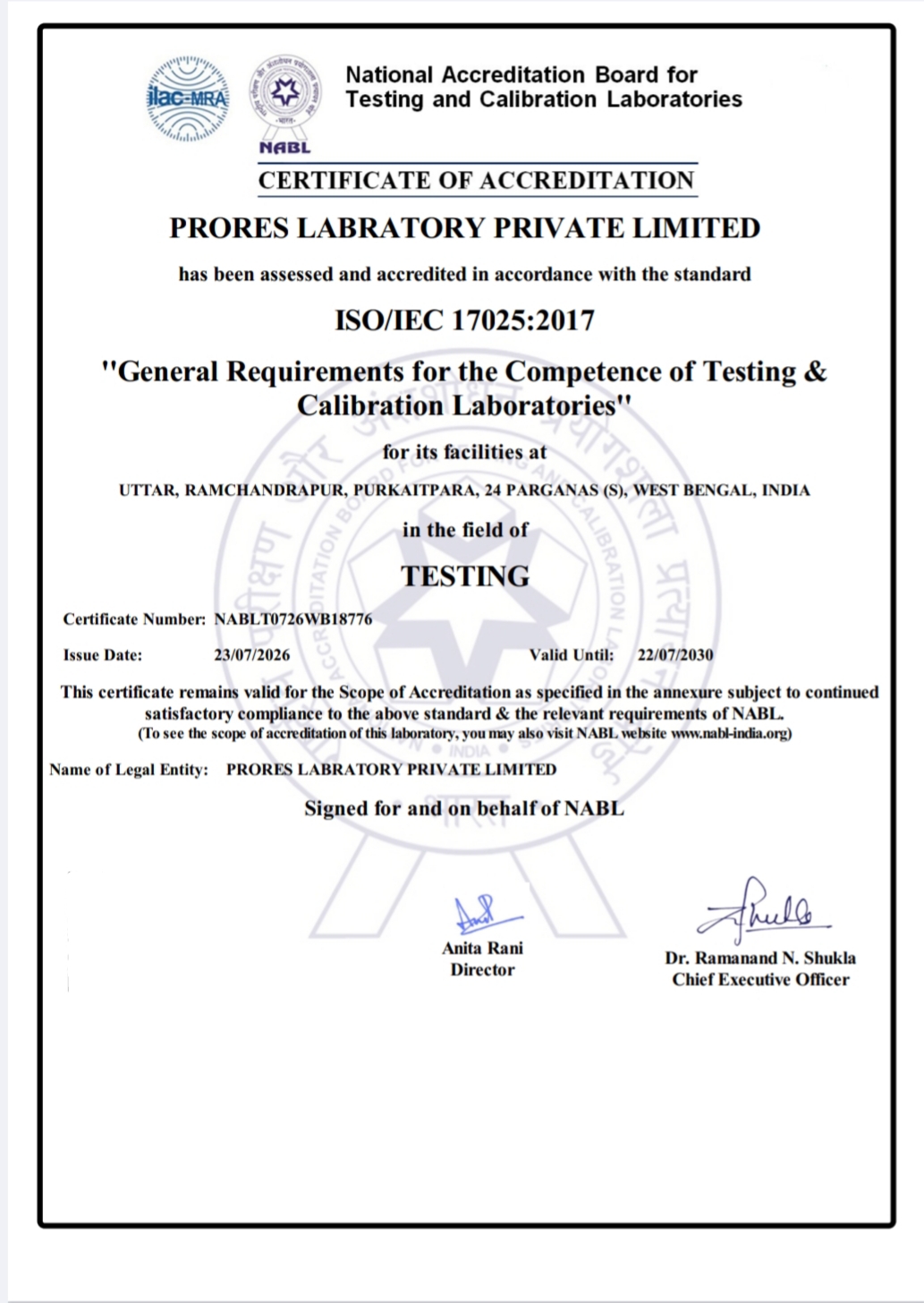
Laboratory work is not finished when the experiment is completed. Documentation is equally laboratory work that is not finished when the experiment is completed. Documentation is an equally important part of the process. Students need to learn how observations, readings, calculations, test conditions, and results are recorded. They also need to understand why laboratory records should be clear, accurate, and traceable. A good Microbiology internship therefore develops more than technical laboratory skills. It also helps students become more organised and careful with scientific information. Professional laboratories work with standard operating procedures, controlled documentation, quality systems, and internal checks. Pro Research & Testing Laboratory states that it follows ISO/IEC 17025:2017-related laboratory practices and quality procedures.
Microbiology Internship Programmes at Pro Research
Pro Research offers practical training programmes covering microbiology and related food and water testing areas. These programmes can be useful for students who want hands-on laboratory exposure.
| Programme | Duration | Fees | Key Areas |
| Professional Certificate in Microbiology Analysis (Food & Water) | 6 Months | ₹49,000 | E. coli, TPC, yeast isolation, water bacteria, instruments and SOPs |
| Professional Certificate Internship (Food & Water Quality) | 6 Months | ₹75,000 | Microbiological testing, pathogens, water analysis, instruments, calculations and reporting |
Programme details, fees, duration, and curriculum should be confirmed directly with Pro Research before enrolment, as programmes may be updated.
Who Should Consider a Microbiology Internship?
A Microbiology internship can be relevant for students and graduates from several academic backgrounds. It may be particularly useful for students studying:
- Microbiology
- Biotechnology
- Biochemistry
- Food Technology
- Life Sciences
- Environmental Science
- Chemistry and related disciplines
Students who are planning to pursue higher studies or careers in laboratory testing, quality control, food safety, environmental testing, research, or microbiological analysis can also benefit from practical exposure
How Can Internship Experience Help Your Career?
One common challenge for fresh graduates is the gap between academic knowledge and workplace expectations. Employers may expect candidates to understand basic laboratory practices, safety, documentation, equipment, and testing workflows. A Microbiology internship cannot replace a formal qualification or guarantee employment, but it can help students build practical familiarity before applying for laboratory positions. Depending on their qualifications and experience, candidates may explore career opportunities such as: Microbiology Laboratory Assistant, Microbiology Technician, Quality Control Assistant, Laboratory Analyst, Food Testing Assistant, Research Assistant, and other related positions. The actual eligibility and responsibilities will depend on the employer and the candidate’s educational qualifications.
Why Real Laboratory Training Is Different From Classroom Learning
Imagine learning about microbial contamination from a textbook. You understand the definition, causes, and prevention methods. Now imagine entering a laboratory where you have to follow safety procedures, handle samples carefully, work according to a procedure, observe results, and record everything correctly. The second experience creates a much stronger understanding. That is why a Microbiology internship can be valuable. It helps students understand not just what a laboratory test is, but also how professional laboratory work is organised. It can also help students identify areas they enjoy. Some may become interested in food microbiology, others in water testing, quality control, environmental analysis, or research.
How to Choose the Right Internship Programme
Before joining an internship, don’t choose a programme only because it provides a certificate. Look at what you will actually learn and practise. Check whether the programme includes:
- Hands-on laboratory training
- Relevant microbiological testing
- Equipment exposure
- Laboratory safety
- Sample handling
- SOP-based working
- Documentation and reporting
- Guidance from experienced professionals
- Training relevant to your academic background
A useful internship should help you leave the laboratory with skills and understanding, not just a certificate.
Build Practical Confidence Before Starting Your Career
Microbiology can open doors to careers across healthcare, food, water, environmental testing, research, biotechnology, and quality control. But whichever direction you choose, practical laboratory skills can make your academic knowledge more useful. A well-structured Microbiology internship gives students an opportunity to experience laboratory work in a more realistic setting, develop technical habits, understand professional procedures, and become more confident with laboratory practices. For students looking for practical exposure in Kolkata, Pro Research & Testing Laboratory offers internship and certificate programmes focused on food and water microbiology and related analytical testing. If your goal is to move beyond textbooks and understand how microbiology works inside a professional laboratory, practical training can be a strong place to start.
FAQs
1. What career options can I explore after a microbiology internship?
You can explore roles in microbiology, food testing, water testing, quality control, environmental testing, research, and analytical laboratories.
2. Which job roles can microbiology training prepare me for?
Training can help prepare you for roles such as Microbiology Lab Technician, Laboratory Assistant, QC Trainee, Microbiology Analyst, and Research Assistant.
3. Can microbiology training help me enter food and water testing?
Yes. Practical exposure to sample handling, microbial analysis, testing procedures, and documentation can provide a strong foundation for food and water testing careers.
4. What skills can improve my chances of getting a laboratory job?
Skills in microbial testing, laboratory equipment, SOPs, safety, documentation, and quality control can strengthen your profile.
5. Why is professional laboratory experience important for fresh graduates?
It helps you understand real laboratory workflows and apply academic knowledge to practical testing situations.