Author name: Pro Research Team

Dissolved Oxygen Testing Procedure in Water in our Lab

Dissolved Oxygen (DO) is one of the most important parameters in assessing the quality of Wastewater/Sewage water/Effluent water. It represents the amount of oxygen available in water for aquatic life and for biological processes such as the degradation of organic matter. Adequate oxygen levels are essential for aerobic microorganisms to break down pollutants, while low

Dissolved Oxygen Testing Procedure in Water in our Lab Read More »

Acid Value Testing Procedure in Groundnut Oil Sample in our Lab

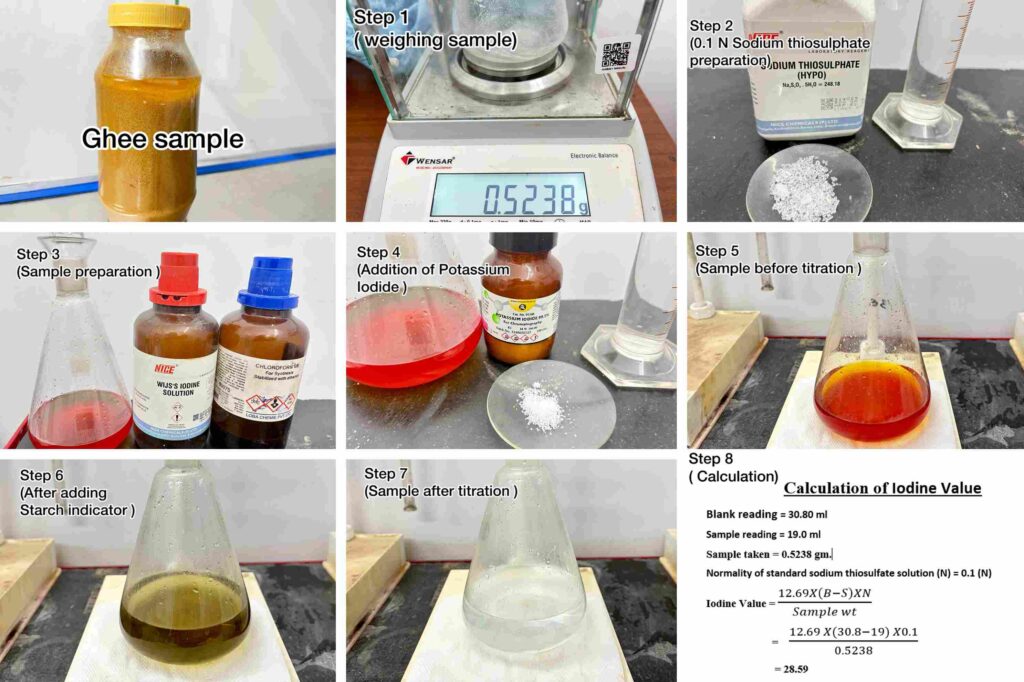
Acid value is an important parameter in assessing the quality and purity of groundnut oil.In groundnut oil, a higher acid value indicates hydrolytic rancidity due to the breakdown of triglycerides into free fatty acids, often caused by improper storage, moisture. Measuring acid value is essential in food testing laboratories to ensure oil quality, edibility, stability,

Acid Value Testing Procedure in Groundnut Oil Sample in our Lab Read More »

How to Collect Water Sample & Send to the Lab for Testing

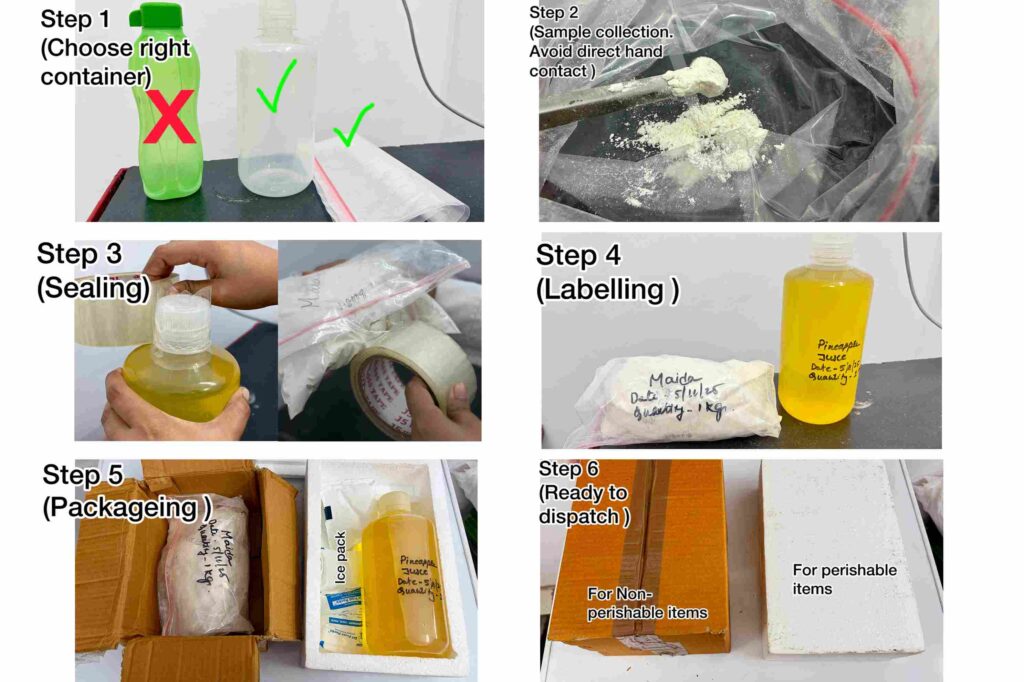
Water quality testing is an essential step to ensure that water is safe for drinking, domestic use, and industrial purposes. Since water can be contaminated with microorganisms, chemicals, and heavy metals, so proper sample collection is also necessary to obtain accurate test results. Collecting water samples in clean, sterilized containers, handling them carefully, and transporting

How to Collect Water Sample & Send to the Lab for Testing Read More »

Acidity as Formic acid Testing Procedure in Honey Sample in our lab

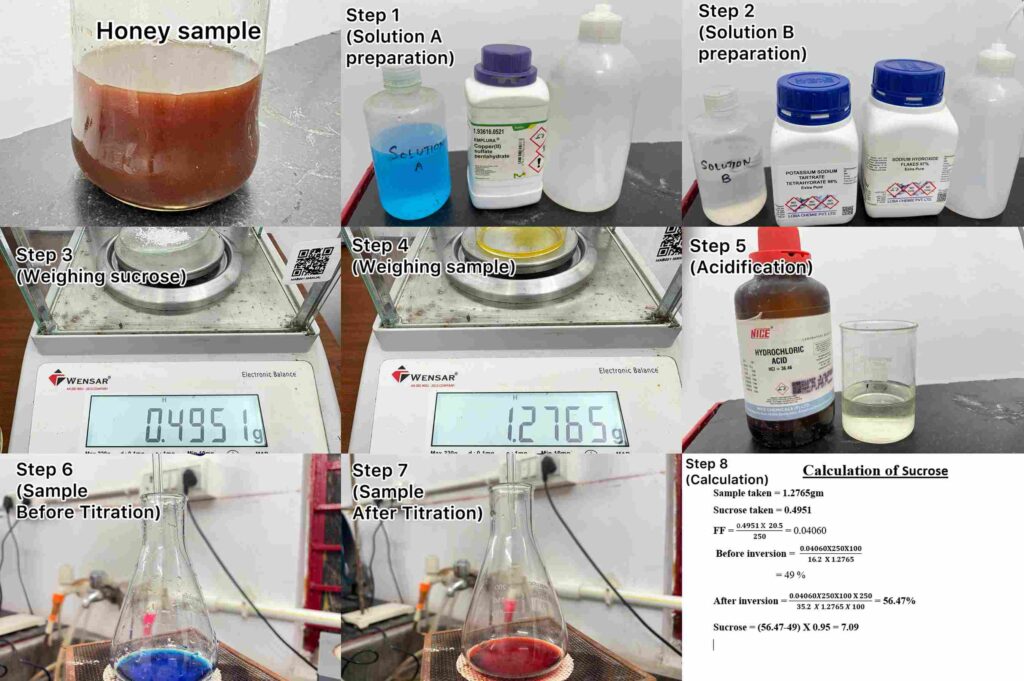
Formic acid, a measure of honey’s acidity, indicates the presence of organic acids that impact the honey’s flavor, stability, and quality. A naturally occurring substance created during the fermentation and developing of honey is formic acid. Assessing the acidity of honey helps in determining its freshness, microbial stability, and potential for spoiling. Increased acidity could

Acidity as Formic acid Testing Procedure in Honey Sample in our lab Read More »

Fat content Testing Procedure in Milk Sample in our Lab

Fat testing in milk is a crucial analysis to determine the percentage of milk fat, which directly indicates its quality and value. It helps in standardization for dairy products like butter, cheese, and ghee.This testing ensures nutritional labeling, and quality control in dairy industries, while also helping to detect adulteration or dilution in milk samples.

Fat content Testing Procedure in Milk Sample in our Lab Read More »

Added Sugar Testing Procedure in Carbonated Beverages in our Lab

Carbonated beverages are popular soft drinks that contain dissolved carbon dioxide, sweeteners, flavoring agents, and other additives. Among these, added sugar is the major component that contributes to taste, energy value, and consumer acceptability. However, excessive sugar intake is linked with health issues like obesity, diabetes, and dental problems, making the determination of sugar content

Added Sugar Testing Procedure in Carbonated Beverages in our Lab Read More »

How our lab certified any products that the product is Organic

Organic matter in turmeric refers to the naturally occurring carbon-based compounds. It mainly includes carbohydrates, proteins, fibers, essential oils, and pigments such as curcuminoids, which give turmeric its distinctive yellow color and medicinal value. These organic constituents influence the quality, flavor, aroma, and therapeutic properties of turmeric. Assessing the organic matter content helps in determining

How our lab certified any products that the product is Organic Read More »