Blog

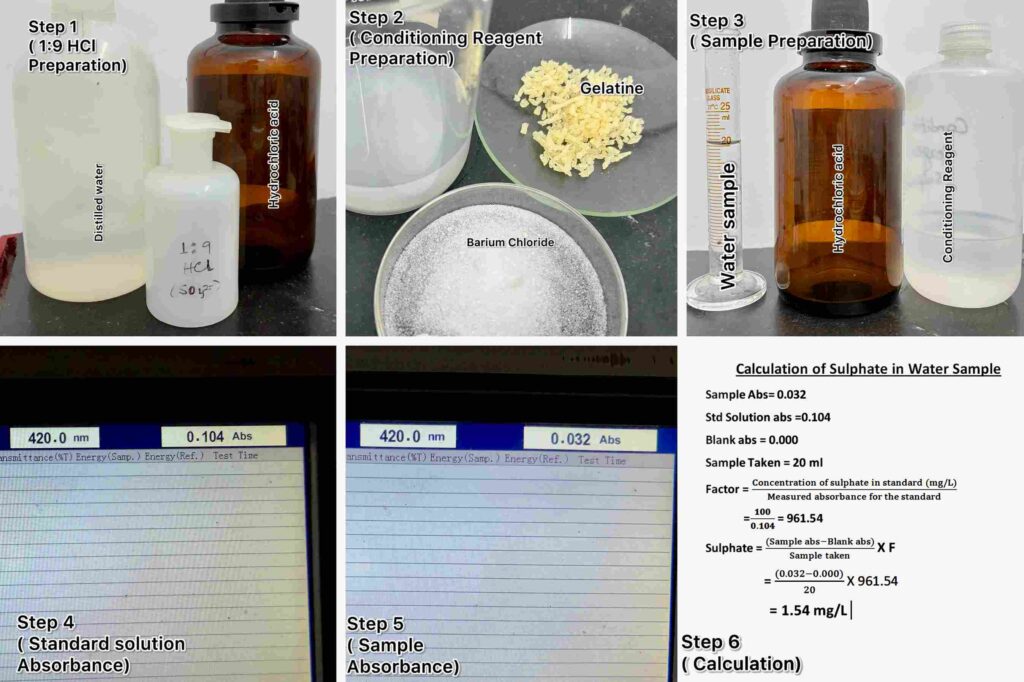
Testing Procedure of Sulphate in Water Sample in our lab

Sulfate is one of the major anions present in natural waters and industrial effluents. Its concentration is an important indicator of water quality since high sulfate levels can cause a bitter taste, corrosion in distribution systems, and laxative effects in humans and animals. The Conditioning Reagent Method, also known as Turbidimetric Method, is a widely […]

Testing Procedure of Sulphate in Water Sample in our lab Read More »
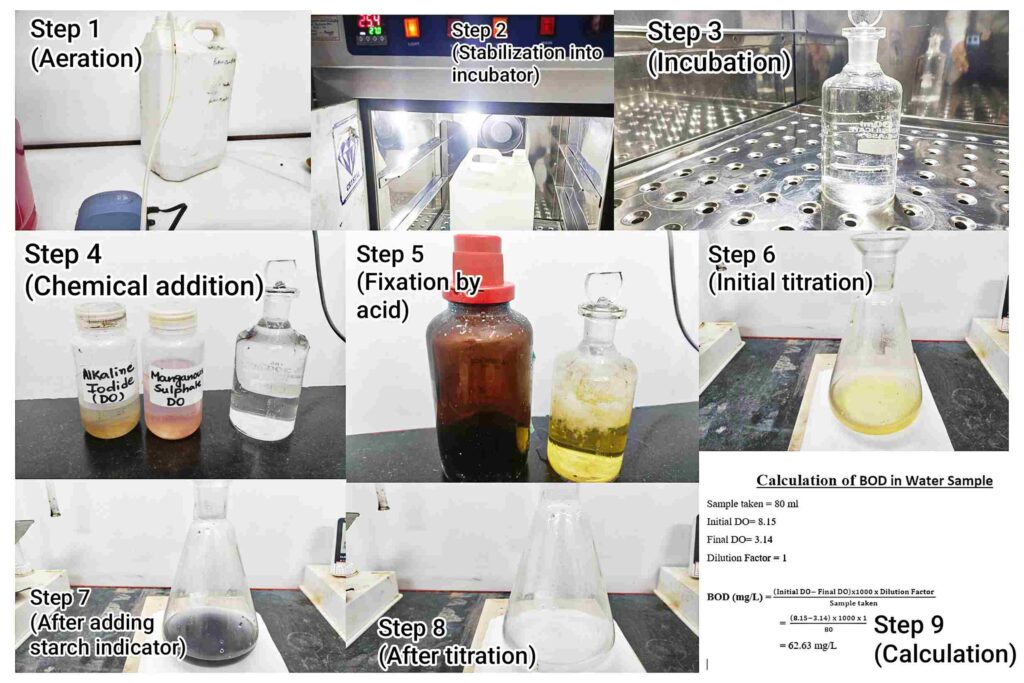
Testing Procedure of Biochemical Oxygen Demand (BOD) in Water Sample in our lab

Biochemical Oxygen Demand (BOD) testing is an important water quality analysis used to measure the amount of dissolved oxygen consumed by microorganisms while decomposing organic matter in water. It indicates the degree of pollution and the presence of biodegradable waste. A higher BOD value reflects greater organic contamination, which can reduce oxygen available for aquatic

Testing Procedure of Biochemical Oxygen Demand (BOD) in Water Sample in our lab Read More »
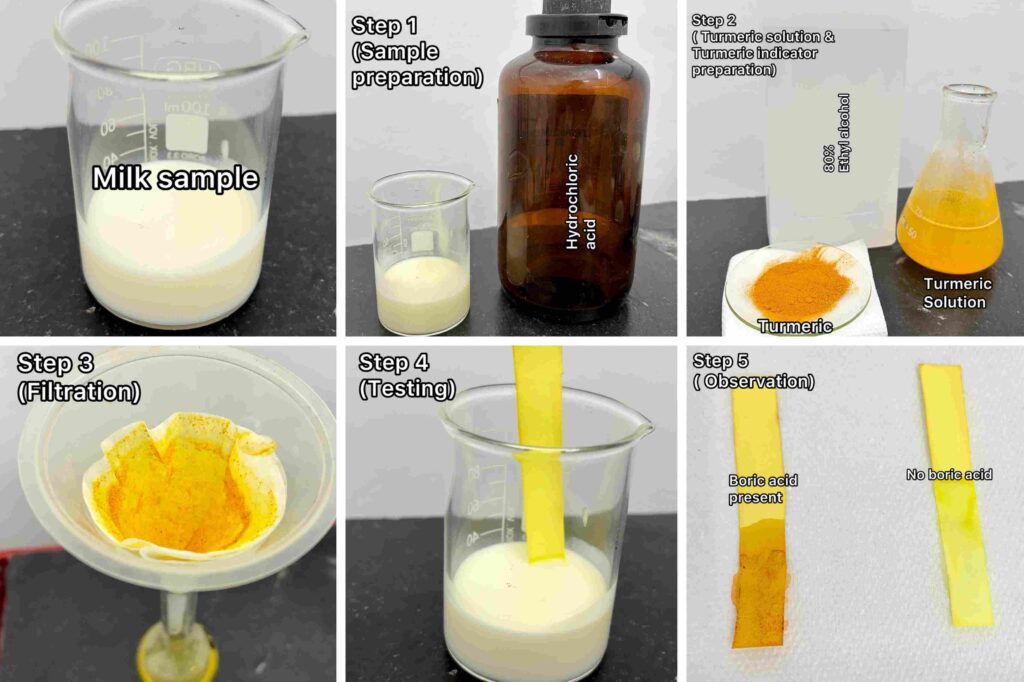
Testing Procedure of Borate Detection in Milk Sample in Our Lab

Borate testing in milk is an important quality control procedure used to detect the presence of boric acid or borax (sodium borate), which are sometimes illegally added as preservatives to extend milk’s shelf life. Although borates can prevent microbial growth and spoilage, they are toxic and harmful to human health when consumed regularly. Here detailed

Testing Procedure of Borate Detection in Milk Sample in Our Lab Read More »

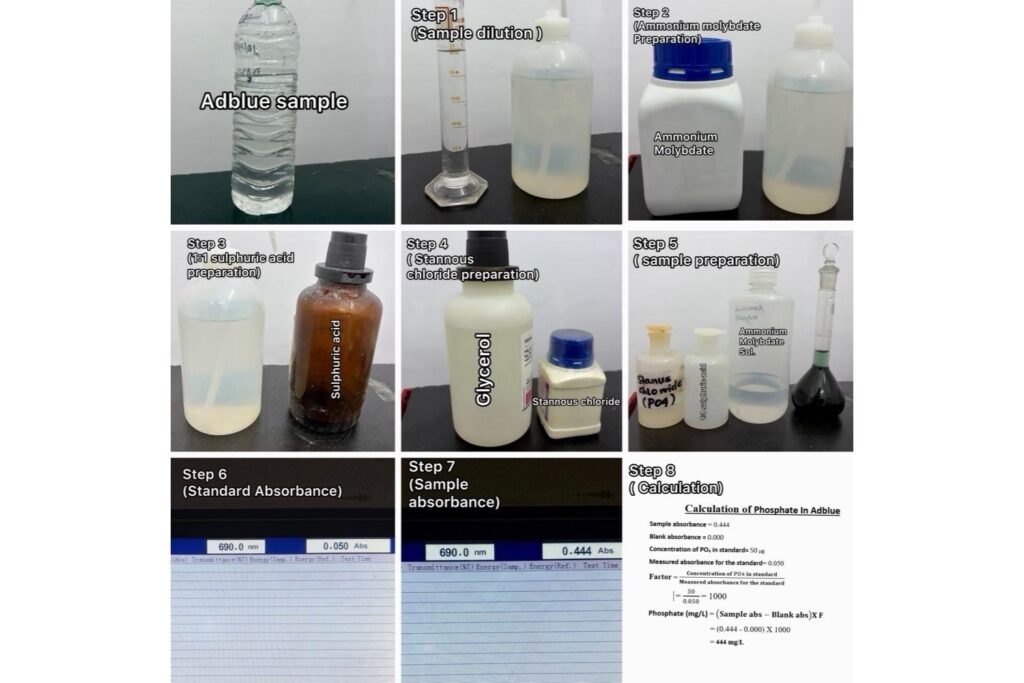
Testing Process of Phosphate of Adblue in our lab

AdBlue (Diesel Exhaust Fluid) helps diesel vehicles run cleaner by converting harmful exhaust gases into harmless nitrogen and water vapor making it essential for modern emission control systems.Phosphate testing in Diesel Exhaust Fluid (DEF) is performed to ensure purity. Excess phosphate can damage the catalyst and reduce emission control efficiency. Phosphate reacts with ammonium molybdate

Testing Process of Phosphate of Adblue in our lab Read More »

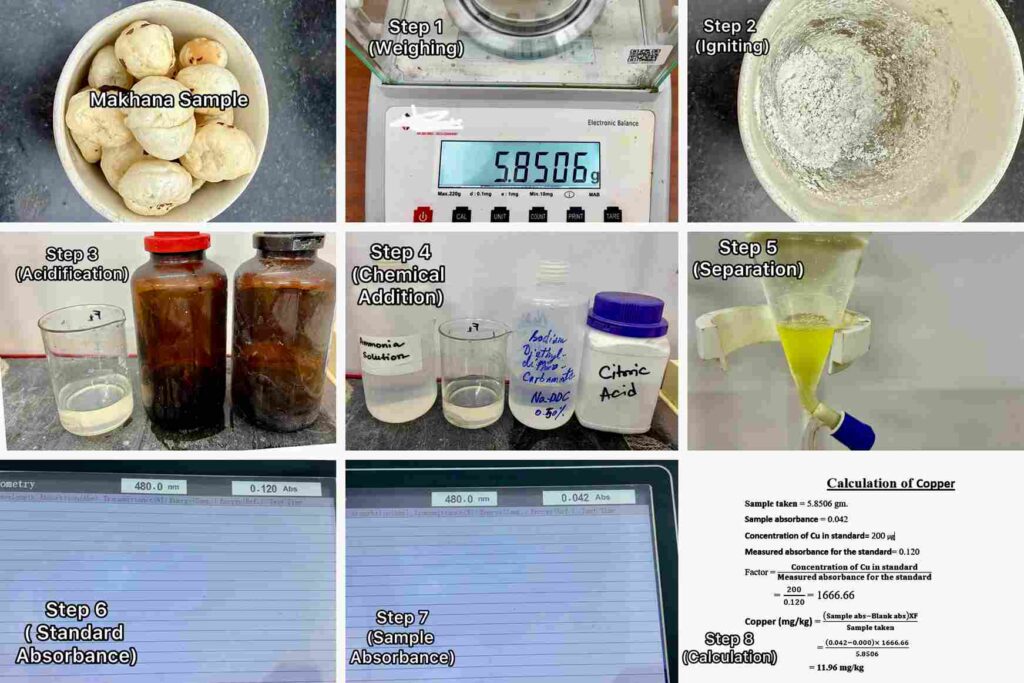
Testing Process of Copper of food sample in our lab

Copper is an essential trace element required for various physiological functions in the human body, but excessive intake can be toxic. Therefore, determining copper content in food is important to ensure nutritional adequacy and safety. The Sodium Diethyldithiocarbamate (NaDDC) spectrophotometric method is a widely used colorimetric technique for the estimation of copper in food samples.

Testing Process of Copper of food sample in our lab Read More »

Chemical Oxygen Demand (COD) Testing Procedure in Water Sample in our Lab

Chemical Oxygen Demand (COD) is a vital water quality parameter that measures the amount of oxygen required to chemically oxidize organic and inorganic matter present in water. It indicates the level of pollution and helps assess the strength of wastewater or industrial effluents. A higher COD value means greater organic pollution, which can harm aquatic

Chemical Oxygen Demand (COD) Testing Procedure in Water Sample in our Lab Read More »

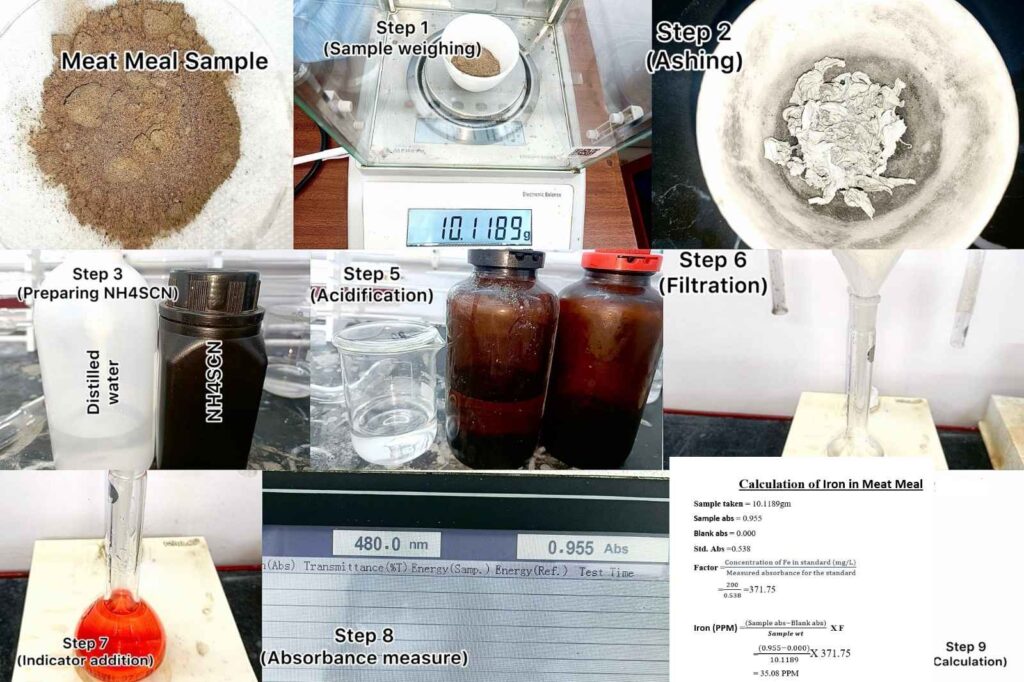
Iron Testing Process of Meat Meal Sample in Our Lab

Iron is an essential trace element in animal nutrition, and its accurate estimation in feed ingredients such as meat meal is important for quality control, nutritional formulation, and regulatory compliance. Meat meal, being rich in proteins and minerals, is a common source of iron, but its high organic content requires proper sample preparation before analysis.

Iron Testing Process of Meat Meal Sample in Our Lab Read More »

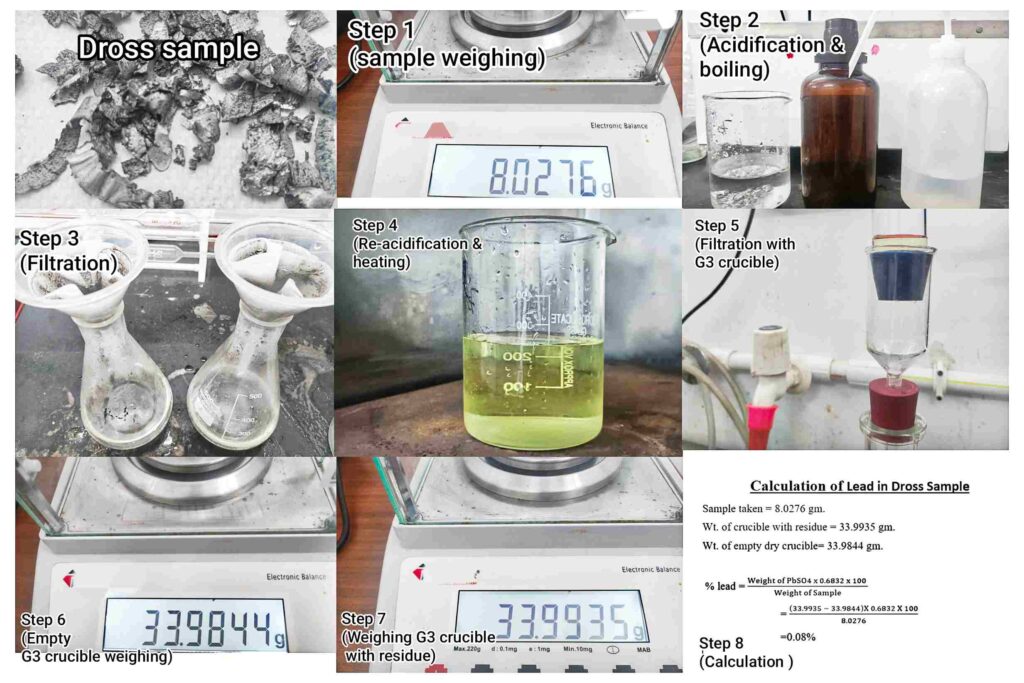
Lead Testing Process in Non-ferrous Metal Dross Sample in our Lab

Zinc dross is a Poly-metallic non-ferrous concentrates,a by-product generated during the galvanizing process and other zinc-based metallurgical operations. It consists mainly of zinc oxide, metallic zinc, and impurities such as iron, aluminum, or lead. Depending on formation temperature, zinc dross is categorized as top dross (light, oxidized form) or bottom dross (heavier, iron-rich form). Though

Lead Testing Process in Non-ferrous Metal Dross Sample in our Lab Read More »

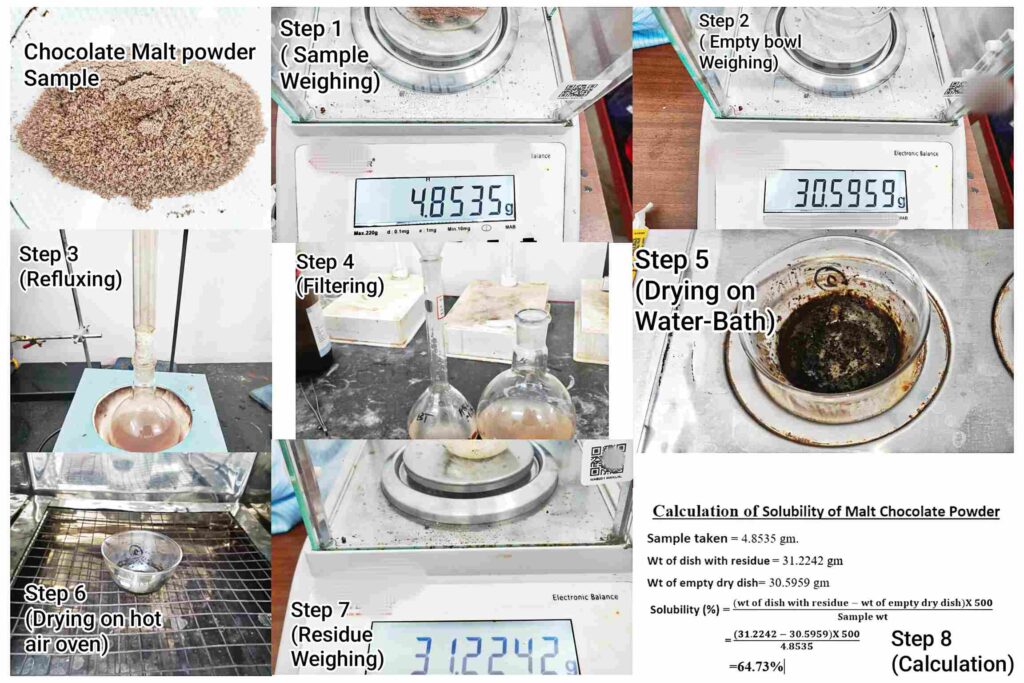
Solubility Testing Procedure of Malt Powder in our Lab

Malt powder is a complex powdered beverage mix composed of malt extract,sugar, milk solids (optional), emulsifiers etc. Consumers expect malt powder to dissolve quickly and uniformly when mixed with water or milk, producing a smooth texture, consistent flavor, and no residue or lumps.Here we Malt Chocolate Powder to test the Solubility. Solubility refers to the

Solubility Testing Procedure of Malt Powder in our Lab Read More »

Drinking Water Testing in Lab in Kolkata and Their Benefits

Know the Benefits of Drinking Water Testing Lab in Kolkata – Pro Research and Testing Laboratory

Kolkata has access to one of the most sacred rivers of India, the Ganga. But, over decades of neglect from both the government and common people, today we cannot claim that our drinking water is 100% safe for consumption. We know Kolkata does have enough water processing plants, yet, even now, the water supply we

Know the Benefits of Drinking Water Testing Lab in Kolkata – Pro Research and Testing Laboratory Read More »